A country endowed with resources yet landlocked, Mongolia is located advantageously between the two giants: China and Russia. The augmentation of urbanization and economic activity has resulted in an increasing demand for commercial spaces such as office buildings, logistics hubs, retail complexes, and industrial parks. Infrastructure development and continuing increases in foreign direct investment will translate to a greater demand for the setting up of commercial property in Mongolia. Such a proposition certainly gives investors and entrepreneurs great opportunities to enter a growing sector with immense growth potential.
Overview of the market
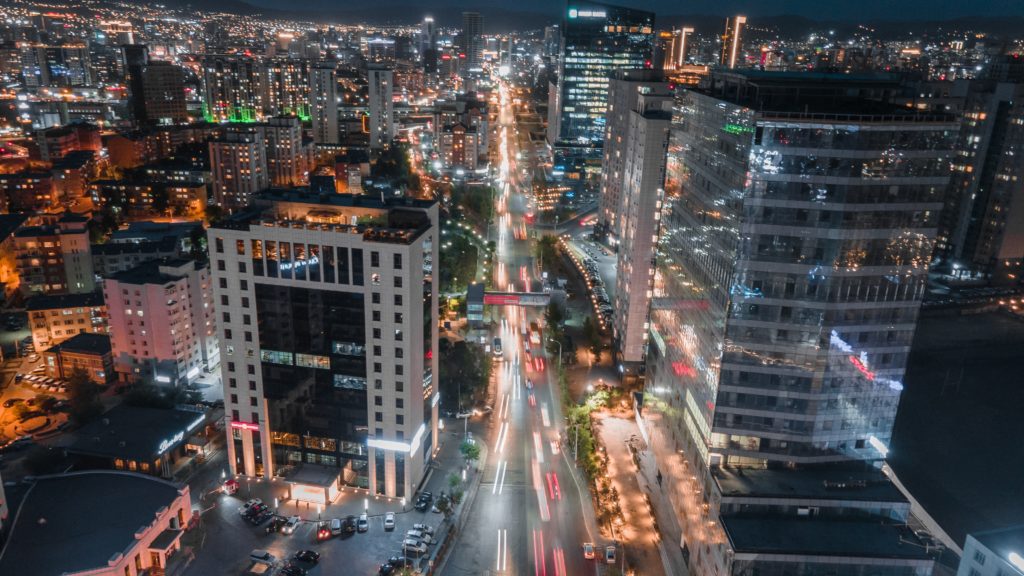
The vast population as well as economic activities is concentrated mainly in Ulaanbaatar, the capital state of the country, which also serves as the host for commercial real estate in Mongolia. Most modern office buildings, commercial complexes and warehousing facilities are in high demand because of the growing urbanization due to mining, promotions, and infrastructural developments. Furthermore, the government-sponsored New Ulaanbaatar City project is likely to enhance demand for commercial developments alongside investments in the industrial zones. While it is still relatively young compared with other Asian commercial property markets, Mongolia’s commercial property is rapidly growing and offers early investors competitive advantages.
Business registration
In Mongolia, you have to register your firm with the General Authority for State Registration (GASR) in order to start a commercial real estate enterprise. Selecting a business structure, registering the company name, filing incorporation paperwork, and acquiring a state registration certificate are all steps in the process. Although foreigners are allowed to hold all of a Mongolian firm, extra permissions and approvals can be needed for land use and property development ventures.
Licensing and approvals
After registration, businesses involved in leasing, brokering, or real estate development should acquire the requisite licenses from the Ministry of Construction and Urban Development or the local government of their region. Depending upon the geographical location and projected activities of your project, zoning approvals, environmental assessments, and building permits might also be required. Consultation with legal and regulatory experts is necessary to guide you through the complex approval process.
Legal framework
According to Mongolian law, foreign investors are permitted to lease land for a maximum of 60 years, with the option to extend the lease for a further 40 years. Although Mongolian citizens are the only ones allowed to own land, long-term leases provide a stable tenure for development. Laws including the Civil Code, Construction Law, and Land Law regulate real estate transactions. Although transparency has increased recently, due diligence is still essential when buying property or forming alliances.
Costs and taxes
In Mongolia, commercial real estate companies must pay a number of taxes. The CIT varies depending on the revenue size and generally operates between 10% and 25%. The second-most common indirect tax in the Mongolia is VAT. It is levied on almost all goods and services, such as commercial leases and real property transactions at the rate of 10%. The operating expenditures also include development fees, construction licenses, and land leasing fees. Compliance with local and federal tax laws may be ensured by hiring a local tax expert.
Opportunities in real estate
Commercial office buildings in the heart of Ulaanbaatar, retail establishments in recently developed neighborhoods, and warehouse/logistics hubs close to mining sites and transit routes are examples of high-potential locations. Interest is also growing in mixed-use projects and industrial real estate. In the next years, there will probably be an increase in demand for warehouse and logistics space due to growing domestic manufacturing and e-commerce.
Conclusion
It takes careful preparation, adherence to local laws, and knowledge of market dynamics to launch a commercial real estate company in Mongolia. Even though the industry is still developing, long-term investment is drawn to it because of its rising trajectory and the government’s desire for modernization. Entering entrepreneurs will have a competitive advantage in influencing the urban and business environments of the nation.
You may also find these articles helpful
Start e-commerce business in Antigua and Barbuda
Start an e-commerce business in Aruba
Start an e-commerce business in Barbados