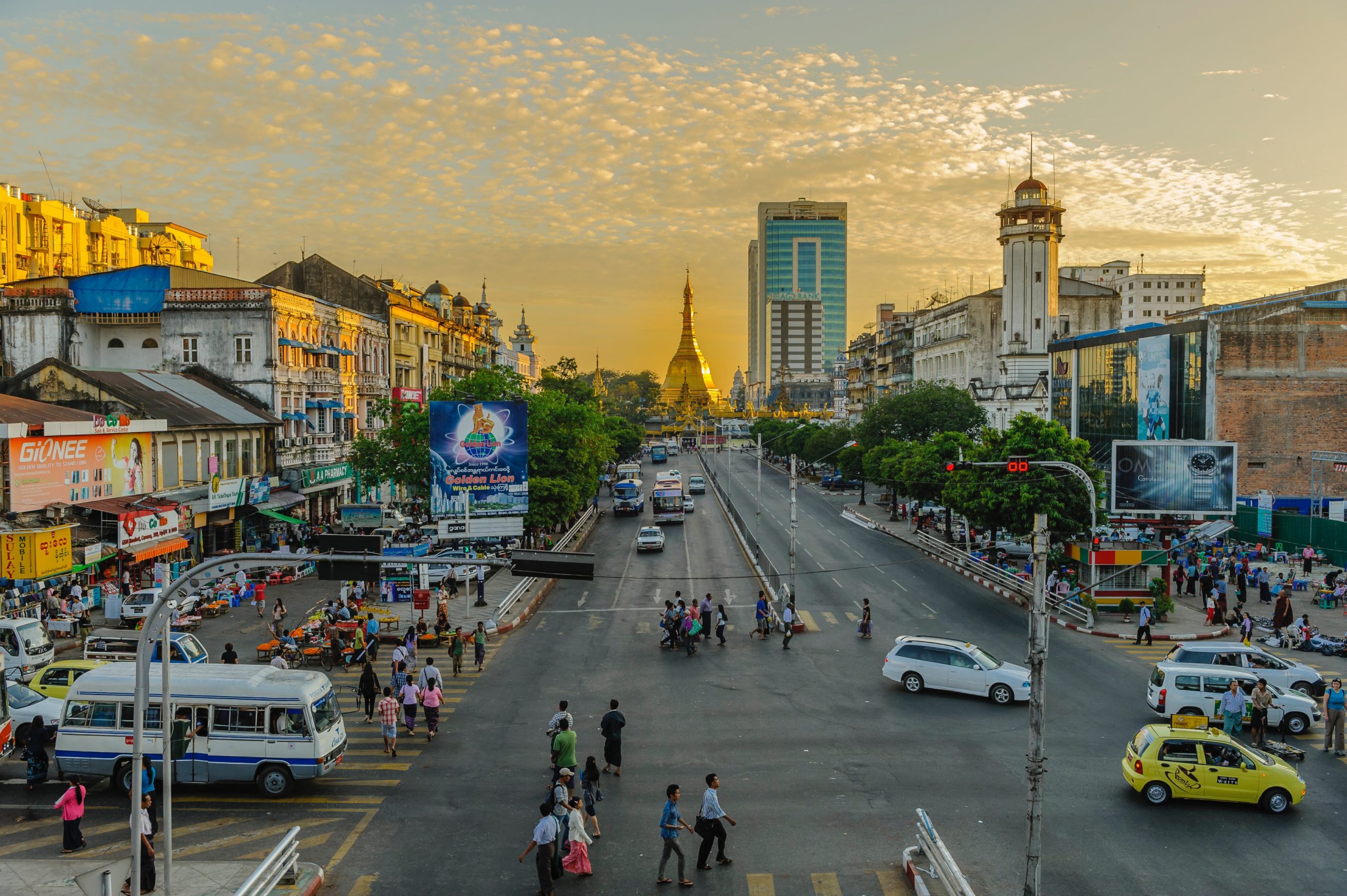
Gradually evolving into metropolitan areas, Myanmar has a young population and a location that is favorable. There is potential for commercial real estate development in the long-run despite existing political challenges, especially in major cities such as Mandalay, Naypyidaw, and Yangon. There are opportunities for entrepreneurs and investors to establish businesses in office development, mixed-use properties, logistics hubs, and retail space development. The gradual improvement of the economy coupled with continuing construction activity across the region will eventually provide them with needed benefits. To establish a commercial property firm in Myanmar, it is essential also to be familiar with the legislation, regulation, and trade environment concerning investments.
Market synopsis
Yangon, a major city and commercial center of the nation, is the locus of pivotal activities in Myanmar’s emerging commercial real estate market. New warehousing, retail developments, office buildings, and hotel-related projects are in great demand. Emerging from ongoing port and transport infrastructure improvement projects, among others the Yangon New City Project, the demand for commercial property continues to grow. Without a doubt, the current state of the market, however, is characterized by low transparency, limited financing options available in the market, and changing investor confidence due to political instability. Notwithstanding these challenges, as reforms proceed, the long-term prospects for commercial real estate remain cautiously positive.
Business registration
In Myanmar, one must register with the Directorate of Investment and Company Administration (DICA) in order to begin a commercial real estate firm. With the exception of property ownership limitations, foreigners are permitted to hold 100% of businesses in the majority of industries, including property services. Registering entails choosing a business structure, reserving a name for the firm, creating a constitution, and acquiring a certificate of company registration via the Myanmar Companies Online (MyCO) system.
Licenses and authorizations
Property development, brokerage, leasing, and management are just a few of the commercial operations that may need you to seek extra permissions. Permissions are sought from the Ministry of Commerce, the Ministry of Construction, and local municipal development committees. Additionally needed by property developers are zoning permissions, building permits, and even an environmental impact assessment (EIA). Especially if the project is involving international investment, the Myanmar Investment Commission (MIC) may be needed for clearance of larger projects.
Legal framework
Foreign corporations are allowed to lease property for a maximum of 50 years under the Myanmar Investment Law and then extend for a possible 10 years. However, they are not allowed to buy land in Myanmar. For business expansions, this leasehold structure offers a safe foundation. Since direct real estate transactions involving foreigners are restricted under the Transfer of Immovable Property Restriction Act, joint ventures and long-term leases are popular property operating arrangements. It takes care to navigate Myanmar’s legal system, and local legal advice is usually involved to assure compliance.
Taxes and costs
Myanmar levies a 22% Corporate Income Tax (CIT) on businesses. Commercial property sales and leases are among the transactions that may be subject to a 5% Commercial Tax (CT). In addition to municipal taxes for local services and development licenses, stamp duties are applied to lease agreements and real estate transactions. Speaking with a tax professional is advised if you want to fully comprehend the range of tax obligations associated with your company strategy.
Possibilities in real estate
Modern office space and retail malls are in high demand in Yangon’s core business area, which offers important commercial real estate prospects. Mandalay and other border trading towns outside of Yangon have opportunities for retail growth and logistical infrastructure. Additionally appealing are mixed-use commercial developments and industrial park development, especially if they are connected to economic zones or backed by government infrastructure projects.
Conclusion
Long-term prospects are presented by Myanmar’s commercial property market to investors who are prepared to negotiate its complex political and regulatory environment. In order to address the increasing demand, there is room for companies to provide premium commercial premises due to the expanding urbanization, infrastructural development, and economic diversification initiatives. Through compliance with regional regulations, obtaining the required licenses, and collaborating with reliable associates, business owners may build a strong base in Myanmar’s developing real estate sector.
You may also find these articles helpful
Start an e-commerce business in Barbados
Start an e-commerce business in the Bahamas
Start an e-commerce business in Aruba