Due to unfavorable climatic and soil conditions, Asia as a whole is still mostly uncultivated. Contrarily, irrigation of the alluvial soils of the large river deltas and valleys allows for the adoption of highly intensive agriculture in the best-growing regions. The most water-intensive crops include rice, sugarcane, and sugar beets in Central Asia. Even on terrain that receives its water only from natural precipitation, legumes, root crops, and grains other than rice can be cultivated.

Agriculture technology
Gravity water flow is the traditional method of irrigation in Asia. To reach field distributaries, water is transported through canals from upstream storage reservoirs or diversion dams. It may take some time for the water to cross the fields back to the canal system in some systems when they are adjacent to one another and the water can flow from one to the other. The drawbacks of this system include water loss due to evaporation and seepage as well as the potential for soil nutrients, fertilizers, and pesticides to be carried by the continuously running water. Water is pushed by tiny electric pumps that run continuously throughout the growing seasons in Japan and Taiwan.
Pumping subsurface water is gaining more and more attention. Both conventional pumps and deep-bore well turbine pumps are now widely used, particularly in Iran, Pakistan, and India. Such irrigation makes drainage simpler and avoids some of the drawbacks of flow irrigation.
The introduction of new, high-yielding strains of wheat has been the most significant modern breakthrough in Asian agriculture. With the help of this technology, the output of grains per acre has significantly grown since the late 1960s in many Asian nations. The collaboration between foreign institutions, like the International Rice Research Institute (IRRI) in the Philippines, and national agricultural research stations is responsible for these increased yields. In the case of rice, governments have utilized their seed improvement projects, extension (advisory) services to farmers, and adaptation of the IRRI strains to local conditions.
Principal crops
You can find some principal crops below.
Cereals and grains
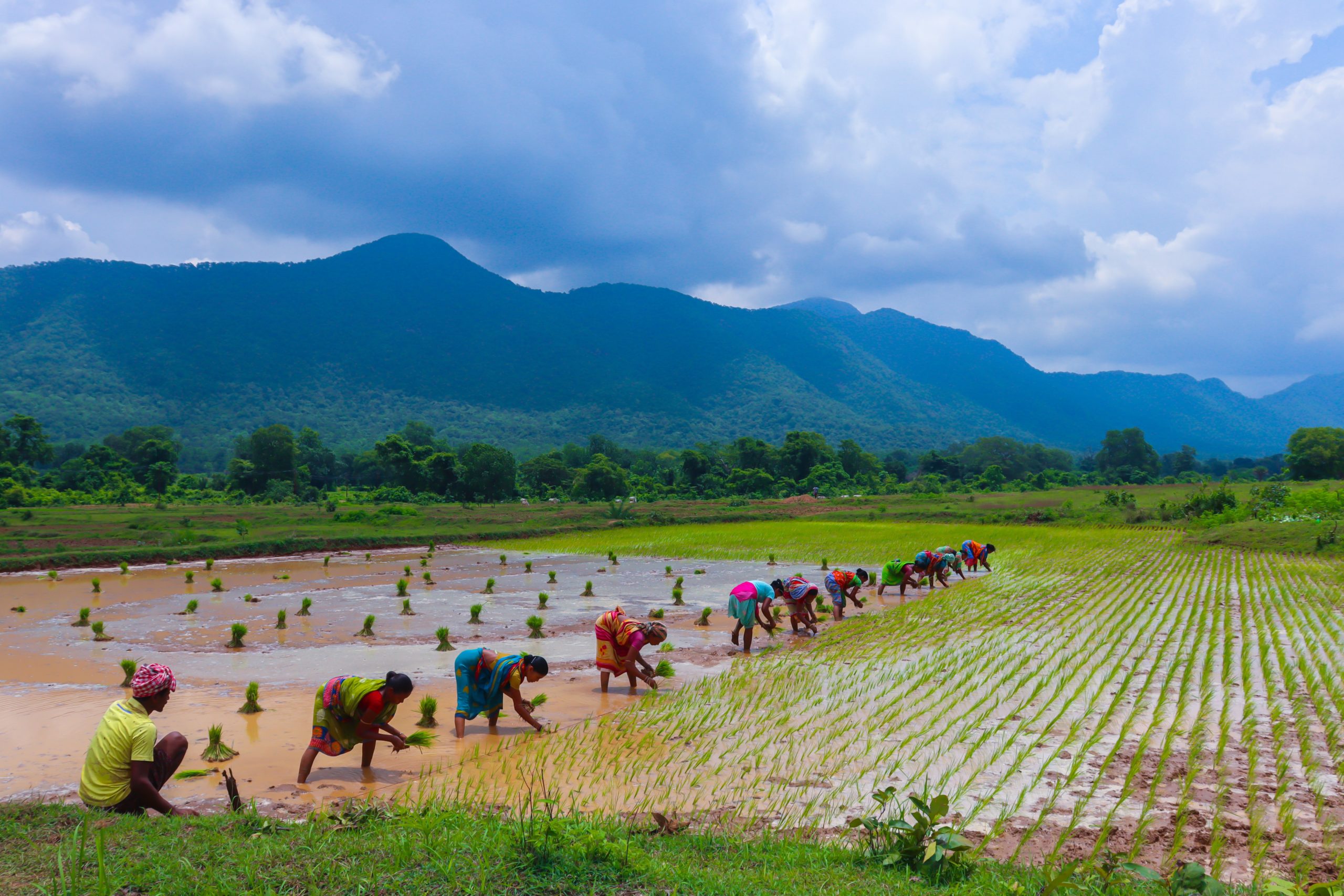
For the majority of Asians, rice is the main food crop. About 90% of the world’s rice supply is produced in Asia. In all regions other than the Middle East, Pakistan, Afghanistan, Siberia, Central Asia, and Malaysia, rice is the crop that takes up the most land. Most Asian nations outside of the Middle East, Central Asia, and Siberia have a rice farming ratio between one-fourth and fifty percent, with Vietnam, Bangladesh, and Sri Lanka having the highest ratio. Despite this, many nations, including Bangladesh and Sri Lanka, are not self-sufficient in rice. Notable rice exporters include Vietnam, Pakistan, and Thailand.
Fruits and vegetables
Various tropical and subtropical fruits are produced on the continent, primarily for domestic use. When available, transportation options can only be used for short distances. Due to the weather and a general lack of refrigerated transportation, consumption is typically seasonal and limited to locations near manufacturing centers. Bananas, mangoes, apples, oranges and other citrus fruits, pineapples, papayas, and other specialties like mangosteen (a dark reddish brown fruit), litchi (a grape-shaped fruit with a brittle red peel), and durian are among the most common types of fruit produced (a large oval fruit with a prickly rind, a soft pulp, and a distinctive odor).
Cash crops
Asia is known for many plantation cash crops, the most significant of which are sugarcane, tea, rubber, palm oil, coconuts, and palm kernels. Even though its importance has reduced, Bangladesh still depends heavily on the export of jute, a commercial fiber. In addition to being a significant crop in India and Pakistan, cotton is significant in the countries of Central Asia. The major producers of rubber are Indonesia, Thailand, and Malaysia, with smaller amounts coming from India, China, and the Philippines. Rubber was introduced to Asia from Brazil in the 19th century. In Malaysia and Indonesia, palm oil has grown in significance.
You may also find these articles helpful
Start an E-commerce business in Dominica
Start an E-commerce business in Guadalupe
Start IT business in Laos