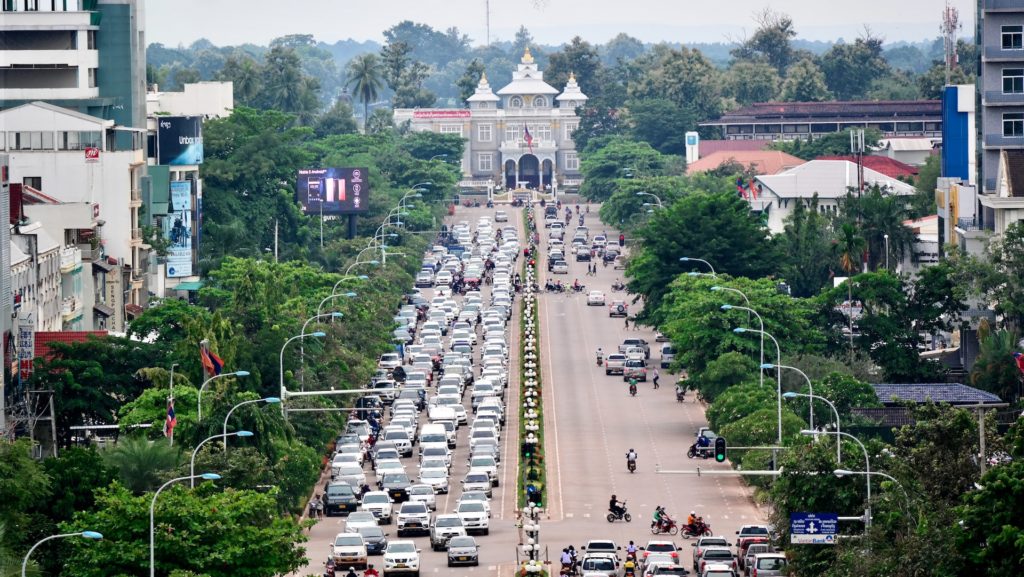
Thanks to infrastructural projects like the China-Laos Railway and special economic zones, the commercial real estate industry in Laos is now experiencing expansion. Retail, office, and logistical projects are increasing in Vientiane and adjacent cities as international companies set up regional offices. Improved connectivity and cross-border commerce are driving up demand for commercial space and warehouses, making Laos an attractive location for investors with an eye toward the future.
Business registration and legal requirements
A commercial real estate company in Laos may only be lawfully started if it is registered with the Ministry of Industry and Commerce (MOIC). A formal business structure, such as a limited liability corporation, partnership, or joint stock company, is often chosen as part of this process. Depending on country regulations governing foreign ownership, international investors could be obliged to have a local agent or partner. Registration entails:
- Holding onto a company name
- Creating the articles of association and getting them notarized
- Getting the required licenses and permits
- Registering with the chamber of commerce in your community
- If hiring employees, enrolling in the social security and tax systems
It is recommended to get advice from nearby legal or business consultancy services in order to fully comply with certain criteria.
Acquiring land or property
The rules governing land ownership in Laos differ, particularly for international investors. Foreigners may often lease commercial property for a long time or form joint ventures with local partners, but they are often not permitted to acquire land altogether. Doing your research is essential; make sure the property is designated for commercial use, lawfully registered, and dispute-free. A local property lawyer or consultant should be consulted before completing any deal to confirm land use classifications, title documents, and municipal compliance.
Getting licenses and permits
Depending on the kind of real estate company you want to run, such as property management, leasing, development, or brokerage, you could need certain licenses from local or federal agencies. Municipal councils, environmental organizations, and land and urban development departments must all have given their consent. You also have to follow zoning regulations, safety regulations, and building laws while constructing or renovating. Brokerage companies may demand that agents be certified or registered with a national licensing organization.
Investing and funding
Funding access is critical in initiating and growing a commercial real estate business in Laos. Local banks, real estate investment groups, private investors, and development finance agencies are some of the funding sources. A strong business plan with predicted profits, market research, and feasibility studies is necessary to draw in investors or get a loan. Projects in the real estate industry that have a well-defined value proposition and expert financial documentation often get better funding conditions.
Taxation and compliance
Generally speaking, businesses in Laos must pay corporate income tax, value-added tax (VAT), and property taxes. Accurate accounting records, timely tax filings, and registration with the local tax authorities are all crucial. You may enhance your company’s financial structure and guarantee tax compliance by hiring a local accountant or tax counselor.
Marketing and operations
Create a professional brand with a strong internet presence to draw in investors, purchasers, or renters. Employ a mix of offline tactics including signs, pamphlets, and networking events, as well as social media marketing and local property listing resources. Form alliances with nearby brokers or agents to expand your market reach. Maintaining assets, managing lease agreements, providing tenant services, and making sure facilities are in compliance are all examples of efficient operations. Several businesses also contract with specialist organizations to handle property management in order to improve service quality.
Opportunities and difficulties
Shouldering a lot of promise, there are several dark spots in the commercial property industry of Laos: poor urban planning in some places, bureaucratic hold-ups, and problems of land verification. But the economy is growing, the population is young, and government initiatives continue to improve infrastructure and the investment climate, making it an interesting market for determined, savvy investors.
You may also find these articles helpful
Start an E-Commerce business in Bonaire
Start an E-Commerce business on Clipperton Island
Start an E-Commerce business in Costa Rica