Nepal is experiencing rapid urbanization in cities like Kathmandu, Pokhara, and Biratnagar. The population is increasing and there is infrastructure development combined with demand for commercial space. These expand the attractiveness of the country as an investment destination for investors and entrepreneurs wanting to start a commercial real estate business. Property options are available to both domestic and foreign companies, ranging from office buildings and retail complexes to warehousing and hospitality.
Market synopsis
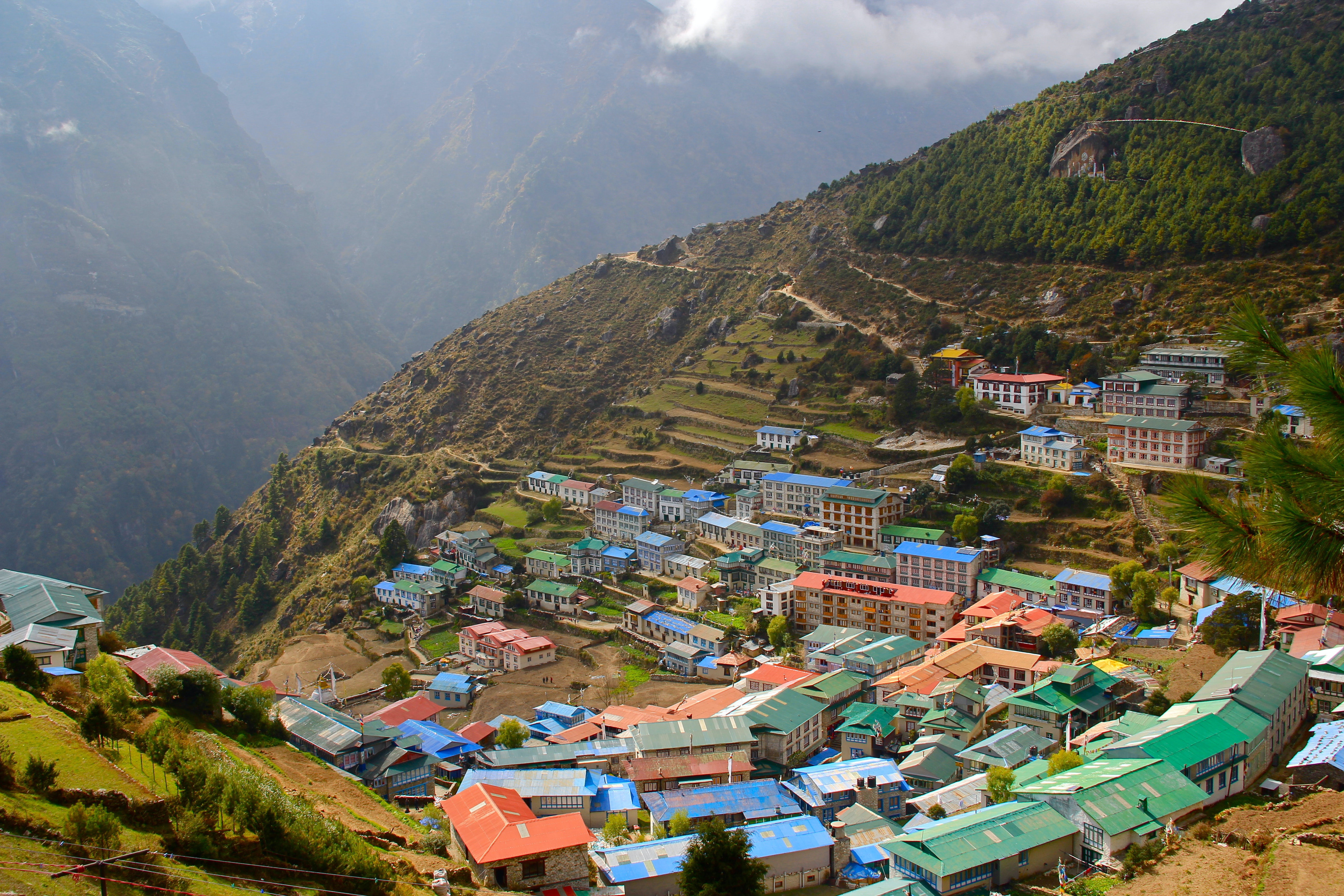
Due to increased middle-class incomes, urban migration, and economic diversification, Nepal’s commercial real estate sector is expanding gradually. Kathmandu Valley remains the center of growth for retail shopping malls, office towers, hotels, and residential buildings. Rising towns and border towns are gaining ground, especially in places undergoing government-sponsored infrastructure projects. The lack of infrastructure, too little foreign direct investment, and an unregulated property market continue to be a problem for the industry. Investing in Nepal’s changing commercial real estate market is possible with careful preparation and local collaborations.
Business registration
In Nepal, a company must be registered with the Ministry of Industry, Commerce, and Supplies’ Office of the Company Registrar (OCR) before it may begin operations in the commercial property sector. A private limited corporation is the usual structure for the firm. Key paperwork, including the Memorandum and Articles of Association, must be prepared by entrepreneurs before they may apply in person or online using OCR’s corporate registration certificate. Foreign investors must additionally get clearance from the Investment Board Nepal (IBN) or the Department of Industry (DoI), depending on the size of the investment.
Licenses and authorizations
Companies that construct, lease, or provide real estate consulting services would need extra permits from the Department of Urban Development and Building Construction and local governments in addition to company registration. Municipal offices issue building and construction permits subject to environmental compliance and authorized architectural designs. The breadth and size of larger property projects may need additional IBN approval and environmental reviews, especially if they include foreign finance or have a national effect.
Legal framework
Foreigners are not allowed to directly own or own land in Nepal, but they are allowed to engage in real estate development projects via firms that are established locally. This happens especially if the project is authorized under foreign investment legislation. In real estate-related endeavors, foreign firms are subject to the Foreign Investment and Technology Transfer Act (FITTA). Workarounds for foreign participation can include joint ventures, land use partnerships, and leasehold agreements. Seeking advice from regional legal professionals is crucial for successfully navigating regulatory complexities and securing property rights.
Taxes and costs
The majority of enterprises, including property corporations, are subject to Nepal’s 25% Corporate Income Tax (CIT) rate. There are several commercial property services that may be subject to a 13% Value Added Tax (VAT). Stamp duties, which vary depending on the locality, are applied to purchases, land leases, and property registrations. Fees for local approvals, infrastructure use, and building permits are also levied by municipalities. Using a local tax expert guarantees that both municipal and federal tax requirements are met.
Possibilities in real estate
Kathmandu Valley has huge potential in New Baneshwor, Thamel, and Lazimpat, where the demand for retailing establishments, commercial office space, and hotels is really high. Areas outside the Capital, for instance Pokhara and Butwal, also provide opportunities for investing in property related to tourism and logistics infrastructure. As cross-border commerce grows, industrial estates and commercial centers close to India-Nepal border crossings are also ideal for the establishment of warehouses and wholesale markets.
Conclusion
Starting a commercial property company in Nepal requires proper strategic planning along with sound relationships with local people and a well-informed legal understanding of property ownership restrictions. However, this kind of country is promising for many commercial real estate businesses as it grows consumers’ demands; the urbanization trend is affecting them; and new infrastructure development programs are emerging. There are also opportunities to establish a strong foothold in Nepal’s property market by identifying high-growth areas, compliance with local laws, and avoidance of the regulatory maze.
You may also find these articles helpful
Start an E-commerce business in the United States of America
Start an e-commerce business in Belize
Start an e-commerce business in Mexico