Opening this booming culinary industry in Tunisia and the developing tourist industry makes it considerable to open up a restaurant here. Entrepreneurs have several possibilities to develop profitable food enterprises by blending local and worldwide dining trends. This article addresses key ways to develop a thriving restaurant in Tunisia.
Do market research
Starting your organization involves essential knowledge of the restaurant market in Tunisia. Think about the following:
- Find prevalent meals and eating trends.
- Study target consumers and their purchase behaviors.
- Find good locations with high client traffic.
- Study rivals and present situations.
- Review regulatory requirements for food enterprises.
Comprehensive market research helps in making informed business decisions.
Develop a business plan
A well-structured company strategy provides clarity and direction. Key factors include:
- Executive summary: Define the restaurant’s idea and aspirations.
- Market analysis: Identify target customers and rivals.
- Business model: Choose dine-in, takeaway, or delivery possibilities.
- Financial plan: Outline budget, estimated costs, and revenue predictions.
- Marketing strategy: Plan promotions to attract customers.
A great company plan enhances the likelihood of getting funding and investors.
Register your business
To operate lawfully in Tunisia, do these steps:
- Register your business with the Commercial Registry.
- Obtain a tax identification number.
- Secure a food business license.
- Comply with labor and employment laws.
Meeting legal criteria ensures perfect operations.
Secure funding
Opening a restaurant entails considerable investment. Funding sources include:
- Personal savings for initial expenses.
- Bank loans from financial institutions.
- Private investors or business alliances.
- Government programs for small enterprises.
- Crowdfunding or other finance alternatives.
A financial strategy aids in gaining finances.
Choose an acceptable site
Selecting the proper place is crucial. Factors to consider include:
- High foot traffic for customer exposure.
- Proximity to offices, malls, or tourist destinations.
- Affordable rental or purchase costs.
- Availability of parking and transport access.
- Competitor presence and market saturation.
A strategic location boosts corporate profitability.
Obtain appropriate permissions and clearances
Compliance with Tunisian rules is vital. Required permits include:
- Health and safety permits from food authorities.
- Business operating license from local agencies.
- Alcohol license if providing alcoholic beverages.
- Environmental permissions for rubbish handling.
Consulting legal specialists simplifies the process.
Design and equip your restaurant
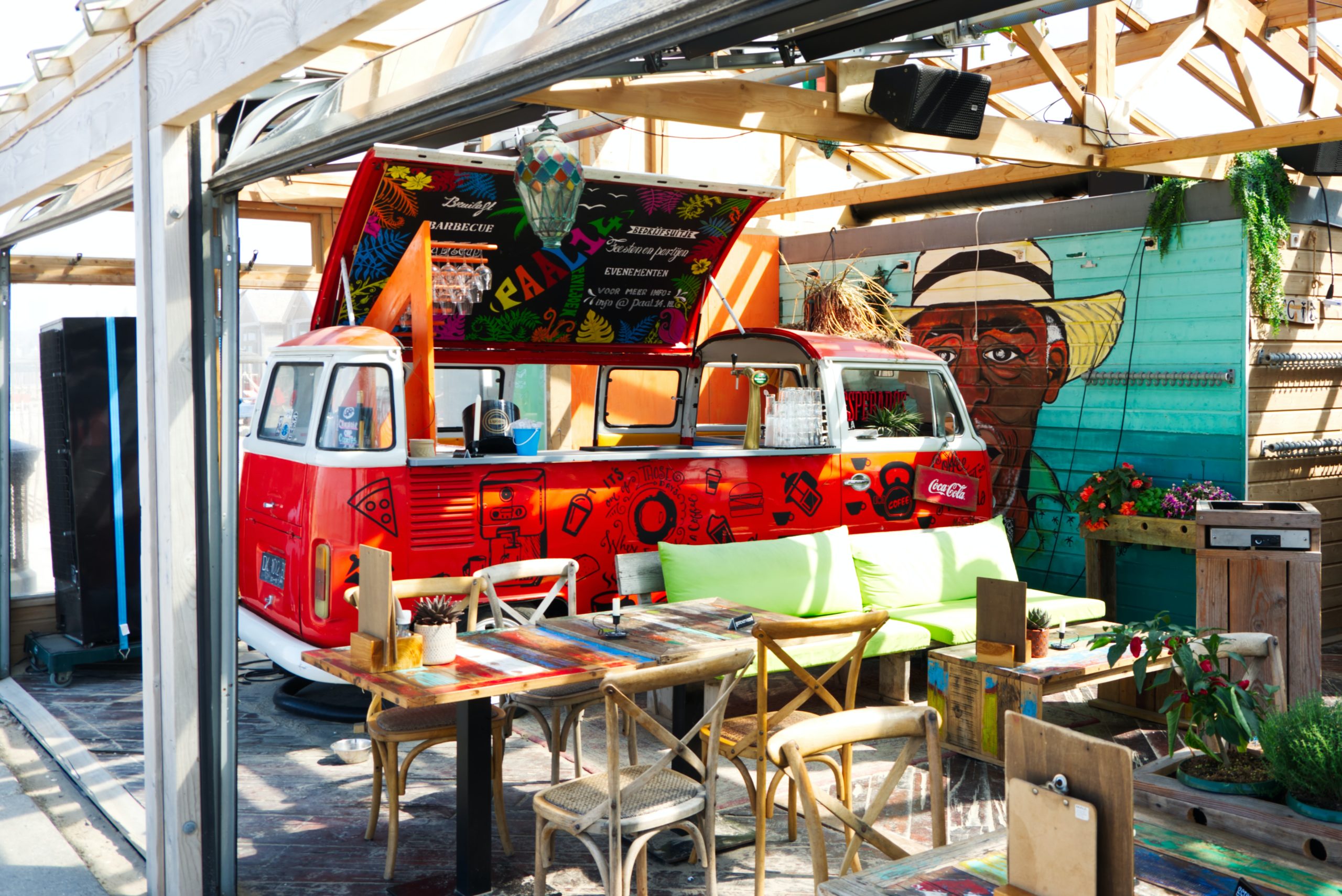
A well-designed setup boosts customer experience. Focus on:
- Interior design blending with your theme.
- Cocktails and seating and setting.
- Quality kitchen equipment for efficiency.
- Compliance with hygiene and safety regulations
- Use of eco-friendly solutions less cost-intensive.
Investing in design boosts client happiness.
Hire and train staff
A skilled crew is vital for seamless operations. Key steps include:
- Recruiting chefs, waiters, and managerial staff.
- Providing teaching on food safety and service.
- Ensuring compliance with labor laws.
- Creating a positive work atmosphere.
Well-trained staff increase service quality.
Market your restaurant
An effective market plan will drive prospective clients to the company and develop them into customers. Here are some approaches:
- Social Media Marketing: Improvements over Facebook, Instagram, and Tik-Tok.
- Local Advertisements: Usages of Local Newspapers, Billboards, and Radios.
- Loyalty Programs: Discounts given on every repeat purchase by customers.
- Collaborations- Meal Delivery Providers.
- Influencer marketing: Get bloggers to write about the brand.
It is a good strategy for the visibility.
Manage and expand your business
Do this to ensure growth, emphasis on:
- Providing high-quality food and service.
- Using technology for order management.
- Expanding menu depending on consumer feedback.
- Implementing cost-control measures.
- Planning for future expansion.
Continuous improvement ensures corporate success.
Conclusion
Opening a restaurant in Tunisia takes planning, money, and legal compliance. With an expanding need for varied eating experiences, the business has economic opportunities. By employing this strategy, entrepreneurs can successfully expand and build a restaurant business in Tunisia.
You may also find these articles helpful
Guide on opening a restaurant in Honduras
Guide on opening a restaurant in Jamaica
Guide on investing in Luxembourg