Serbia has become a bulwark for e-commerce development in Southeast Europe, due to its alluring combination of cheap business costs, high internet penetration rates, and a welcoming regulatory environment. Serbia is a great place for any foreign investor or local entrepreneur to start up an online store. This comprehensive guide takes you through each of the necessary processes.
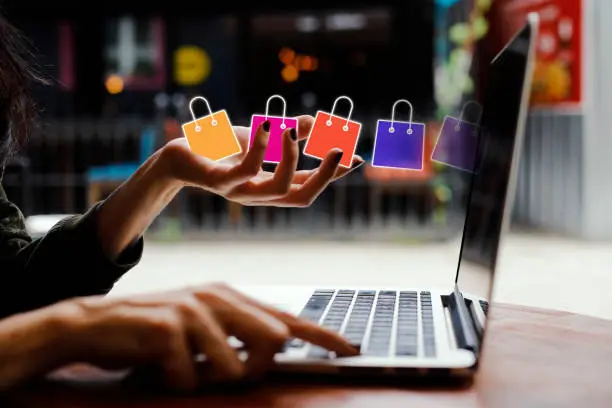
Why opt for e-commerce in Serbia
The boom in e-commerce in Serbia has been tremendously boosted up by modern needs for a quick online purchase, with the usage of smartphones and digital payments. More than 80 percent of the population in Serbia is well acquainted with the use of the internet for such sites as Shoppster and KupujemProdajem. Thus, it proves that the market in Serbia is a good prospect for innovations, not forgetting grocery, electronics, fashion, and cosmetics. Serbia is most ideal for local or global e-commerce with its free trade agreements with, among others, the EU and Russia.
Getting your company registered
In Serbia, you need to form a corporation in order to launch a legitimate online store. Similar to a limited liability corporation, the “Društvo sa Ograničenom Odgovornošću (DOO)” is the most common form for small and medium-sized enterprises. The registration steps are:
- Using the Serbian Business Registers Agency (APR) to reserve a company name
- Creating the Incorporation Articles
- Initial capital deposit (a symbolic minimum of RSD 100)
- Getting a tax identification number (PIB)
- Creating a bank account for a small company
- VAT registration is optional but required if yearly revenue over RSD 8 million.
It is not necessary to reside in Serbia in order to operate an internet company, and foreigners are permitted to completely own Serbian firms.
Creating an online store
The next step is to develop your e-commerce platform once your company has been officially registered. You may begin by selling on regional markets or use systems like Shopify, WooCommerce, or Magento to create your own online shop.
A well-designed website need to have:
- Support for the Serbian language (with English as a backup is advantageous)
- RSD prices, pictures, and product descriptions that are clear
- A layout that adapts to mobile devices
- A safe checkout procedure
- Data privacy notice, return policy, and terms & conditions
Investing in a local domain (.rs) increases your presence on Serbian search engines and lends credibility.
Gateways for payments and logistics
Customers in Serbia are used to using a variety of payment options. Among the most typical are:
- Cash on delivery is still a popular option
- Credit/debit cards (Visa, Mastercard)
- Banks and mobile banking
- PayPal (increasing but not as well-known)
You may use international services like Stripe (accessible via third-party agreements) or regional payment processors like AllSecure and Payten. You may collaborate with foreign couriers like DHL and UPS or logistics companies like Posta Srbije, D Express, and City Express for delivery. Success depends on dependable, quick shipment and easy return procedures.
Promoting your online store
Effective audience outreach requires a comprehensive digital marketing plan. Think about:
- Serbian-specific SEO optimization Google searches
- (Facebook and Instagram are quite popular.) Google Ads and Meta Ads
- Using Serbian YouTubers and Instagrammers for influencer marketing
- Campaigns for discounts and email marketing
- involvement in shopping events and seasonal deals (such as Black Friday)
Localizing your customer service and content increases conversion rates and fosters trust.
Compliance with law and taxes
Serbian e-commerce companies are subject to national legislation and consumer protection rules. You must:
- Clearly show your company’s policies and information.
- Observe the data protection regulations similar to the GDPR.
- Give customers a 14-day return window.
- Create financial invoices for the transactions.
20% is the typical VAT rate. If you are VAT-registered, you are required to collect VAT on domestic sales. Depending on where the customer is, VAT may not be applicable for exports. Working with a local tax expert or accountant to handle compliance and reporting is advised.
Growing and international sales
Cross-border e-commerce is becoming simpler as Serbia continues to integrate with the EU. Think about:
- Converting your website into regional languages and English
- Selling to nearby markets, such as those in Croatia, Hungary, Romania, etc.
- Listing on online marketplaces in the EU, such as eBay and Amazon
- Providing worldwide shipment via partners such as FedEx or DHL
Additionally, you may seek for grants or money for digital transformation, particularly if you concentrate on tech-driven solutions or innovation.
You may also find these articles helpful
Start an E-Commerce business in Costa Rica
Start an E-Commerce business on Clipperton Island
Start an E-Commerce business in the Cayman Islands