The two main imports into Sudan in 2020 were wheat ($530 million) and raw sugar ($560 million). Tractor imports totaled $160 million for the nation. In Sudan, there are 4.3 million irrigated acres out of an estimated 51.5 million cultivable acres. Additionally, Sudan exported $143 million in livestock and $746 million in “other oily seeds” (such as groundnuts, sunflower, soybean, safflower, and sesame) (mostly to the Gulf region). Sudan produces more than 80% of the world’s gum Arabic (acacia gum), a crucial component for food additives, paint, and cosmetics.
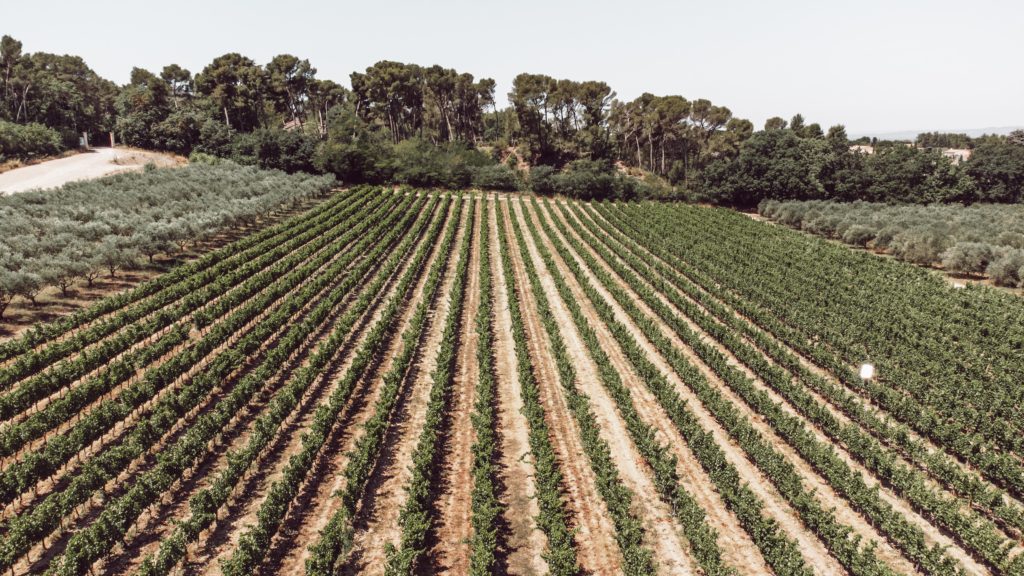
Business contacts in Sudan express a strong desire to buy American agricultural inputs, particularly seeds, irrigation supplies, and farming machines. Some American businesses have authorized representatives who sell farm equipment and related tools. The agribusiness sections of several sizable private sector firms in Sudan do business regularly with American firms.
Cotton, peanuts (groundnuts), sesame, gum arabic, sorghum, and sugarcane are among Sudan’s principal agricultural products. Sorghum and millet are the primary subsistence crops, with smaller amounts of wheat, corn, and barley. Agriculture in Sudan is divided into four separate subsectors: contemporary irrigated farming, which is largely conducted on a big scale with mechanical equipment thanks to government investment; mechanized rain-fed crop production; traditional rain-fed farming; and animal keeping.
Mechanized agriculture
The majority of the nation’s commercial crops are grown in irrigated areas along the White and Blue Niles. The Gezira Scheme (Al-Jazrah), with its Mangil extension, between the Blue and White Niles south of Khartoum, is the focal point of these regions. The Khashm Al-Qirbah Dam on the Atbara River and the Al-Ruayri Dam, which supply irrigation water for the Rahad Scheme, both irrigate other significant farming areas.
Thus, the two main Nile branches provide Sudan with ample water supply for its irrigation-based agriculture. However, in a wide band extending from the northeastern part of the country to the south-southwest, automated rain-fed farming remains the foundation for the future expansion of Sudanese agriculture. Beginning in the fertile clay plains of eastern Sudan in the middle of the 1940s, mechanized rain-fed farming has since considerably spread. However, one of the major disadvantages of this type of agriculture is that wealthy farmers engage in a sophisticated variation of traditional shifting cultivation. They farm an area intensively with government-funded equipment for a few years, then move on to more desirable virgin land when yields begin to fall. In certain places, this practice has caused desertification and even soil erosion. Planners in Sudan tend to focus on irrigation schemes, where cotton is the primary crop, due to the relative chaos of the mechanized rain-fed sector in agriculture.
Subsistence farming and livestock raising
The majority of people in the nation work in subsistence agriculture. Many of these farmers cultivate sorghum and millet in the low-rainfall savannas of southern Sudan. Particularly in rural areas, many Sudanese households retain some animals. The most often raised animals include donkeys, goats, chickens, cattle, and sheep. Livestock is now a significant agricultural export, even though commercial livestock exploitation didn’t start until the 1970s.
Forestry and fishing
Gum arabic, a water-soluble gum derived from acacia trees and used in the manufacturing of adhesives, confectionery, and pharmaceuticals, is a key product of Sudan. The removal of wood for fuel and charcoal has destroyed the northern forests.
The Nile River is the main source of fish, especially the Nile perch, which can be found here. Despite efforts to ship fish to places such as Europe and the Middle East, the vast majority of the catch is consumed domestically. The Red Sea is a vital area for the production of fish and shellfish.
You may also find these articles helpful
Start an agriculture business in Iceland
Start an agriculture business in Hungary
Start a commercial real estate business in Denmark