Zambia has effectively turned the corner during the past decade. Throughout the last decade, there has been a respectable show of economic development, better wealth, and easier market access for domestic and international businesses. Zambia achieved economic growth of more than 5% throughout this period, owing to the rise of the country’s mining, construction, and service sectors. Zambia’s macroeconomic climate is stable and regarded to be the most beneficial in the area. This is due to solid governance and proactive pursuit of effective macroeconomic policies, with structural reforms about investment and trade facilitation. All of this has resulted in a huge decrease in the cost of doing business.
Possibilities for investment
The Zambian government is dedicated to diversifying the economy away from mining while expanding the number of Public-Private Partnerships (PPPs), boosting infrastructure, and enhancing public sector service. Zambia offers the following investment opportunities:
Agriculture
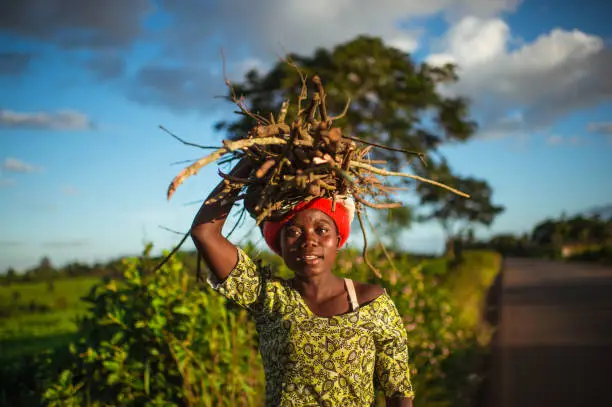
Zambia has a total land area of 752,000 square kilometers, of which 58 percent is arable. Nonetheless, 14 percent of arable land is already under cultivation, showing the possibility for additional expansion in this sector. New agricultural blocks have been established to entice both domestic and foreign investors to utilize pre-surveyed land for agriculture and agro-business. Cotton, coffee, tobacco, sugarcane, pineapples, cassava, and other horticultural and floricultural crops are among the non-traditional crops with a promise that have been prioritized for investment. Opportunities exist to participate in agro-processing and advance up the value chain. Agriculture is mostly rain-fed; hence the sector’s success is heavily influenced by weather patterns. The irrigation potential is projected to be 430,000 hectares, with just 100,000 now under development. Zambia has huge irrigation agricultural potential, accounting for an estimated 45 percent of total water resources in Southern Africa.
Agricultural processing
The government understands the need to diversify from basic agriculture towards agro-processing since it is clear that agriculture alone would not lead to considerable development for the Zambian people. Agro-processing is one of Zambia’s most important businesses overall, having shown tremendous growth in recent years in terms of output and export performance. This has been attributed to significant inflows of investment into the various value chains as well as a favorable business environment. Investment opportunities in Zambian agricultural processing include, but are not limited to, the following:
- Peanut butter production
- Cashew nut processing
- Production of animal or stock feed (soya beans)
- Cassava processing (food and other industrial goods)
- Grain milling (rice, maize, wheat, and so on)
- Honey processing
Energy
Electricity, petroleum, coal, biomass, and renewable energy are all sources of energy in Zambia. Only petroleum is imported into the country, whereas all other energy resources are virtually self-sufficient. The demand for the nation’s major energy source, electricity, has been increasing at a rate of roughly 3% per year on average. This is mostly due to rising economic activity in the country and area. Energy investment prospects include power production, petroleum, coal, and renewable energies.
Electricity
Hydropower is the most significant energy source in the country after wood fuel providing roughly 10 percent of the national energy supply. It is provided by three main hydroelectric power facilities. Zambia is expected to contain over 40% of the water resources in the Southern African Development Community, allowing the nation to have approximately 6,000 MW of hydropower potential. Just roughly 2,434.3 MW of this capacity has been constructed, yet power demand has continued to rise fast. Zambia and the SADC region have been suffering from a power shortage since 2007. 73 power production projects are needed to raise supply from the present 56,000 MW to exceed the forecast demand of 96,000 MW by 2027. Examples of investment opportunities in the power sector are:
- Electricity generation, hydro, and coal transmission
- Construction of renewable, solar, and other energy infrastructures
- Production of solar system components
- Setting up an isolated grid
- Selling solar panels and related accessories
Petroleum
Nine percent of Zambia’s total energy consumption is met by petroleum. Petroleum products have been much more widely used in recent years. For instance, the average daily national consumption of fuel increased from 1,500,000 in 2007 to over 2,700,000 in 2015. Around 231 million liters of petroleum products are now used in the nation each month. The petroleum industry offers investment opportunities in both upstream and downstream petroleum projects.
Manufacturing industry
The manufacturing sector in Zambia has risen at an average annual rate of 3% during the preceding five years and contributes around 7.7% of the nation’s GDP. The expansion of the industry is being driven by the agro-processing (food and beverage), textile, and leather subsectors. Another important activity in the sector is secondary metal processing, such as smelting and refining copper and related metal products. Manufacturing of construction materials, chemicals, explosives, fertilizers, and wood and paper products are all included in this industry. The Zambian government has put policies in place to assist manufacturing operations because it recognizes the significance of the manufacturing sector to the nation’s economic development. This entails the establishment of Industrial Parks and Multi-Facility Economic Zones (MFEZs), as well as the provision of sector-specific investment incentives. Among the most important areas for investment in the manufacturing sector are food processing, textiles and clothing, mineral processing, chemical goods, engineering, leatherworking, electronics, pharmaceuticals, and packaging products.
You may also find these articles helpful
Start a tourism business in Suriname – full guide
Business opportunities in Africa
Start a tourism business in Uruguay – full guide