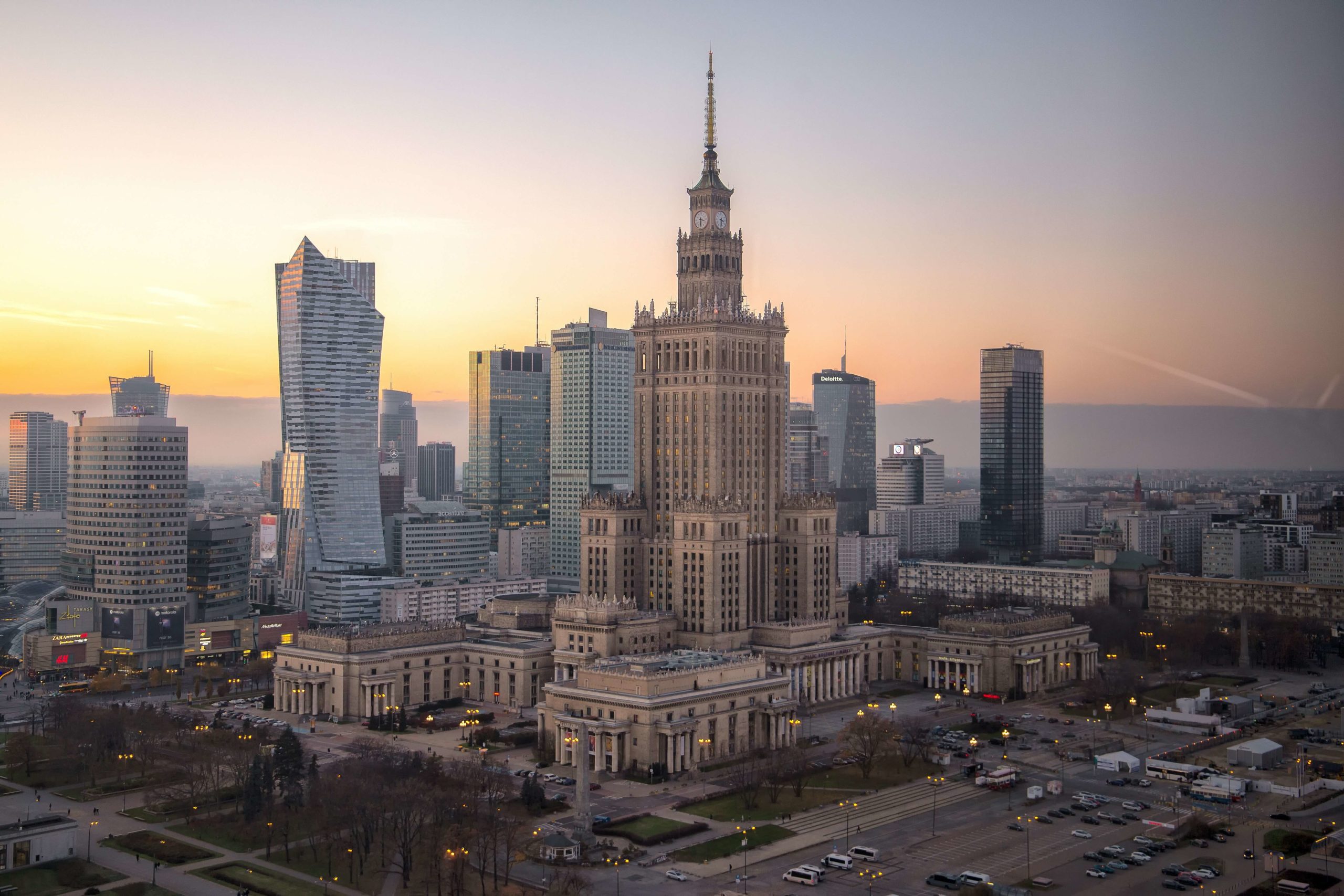
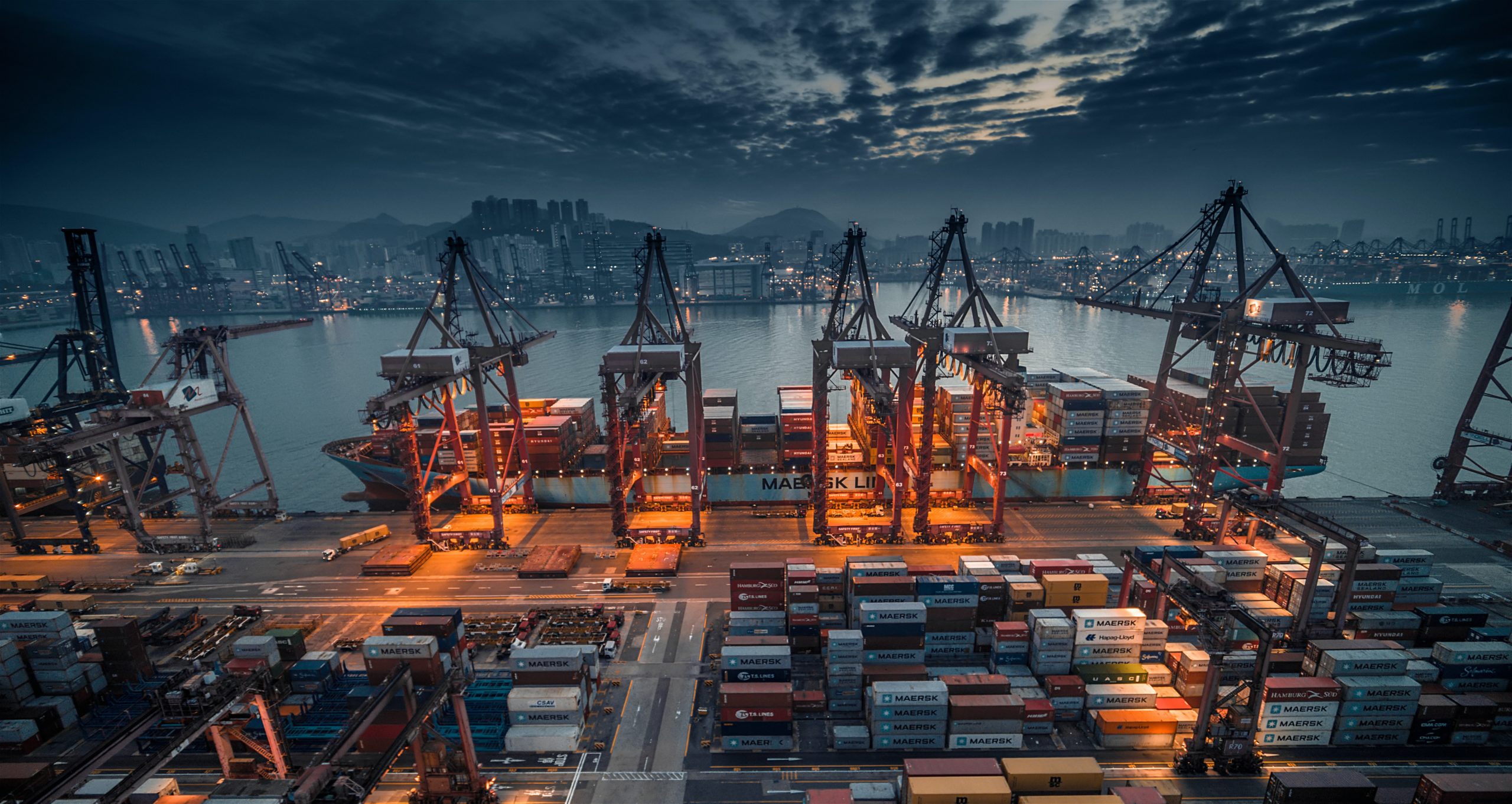
Afghanistan’s commercial real estate industry is still at an infant stage but shows potential in some sectors. Barriers brought upon by the gradual reconstruction of cities have increased the demand for commercial infrastructure such as retail malls, office blocks, logistics hubs, and business parks. Factors such as economic zones, infrastructure projects, and foreign financing initiatives further bolster demand for commercial properties. Nonetheless, political uncertainty, security problems, and an inadequate institutional framework remain tremendous hindrances that should be assessed with great diligence before any investment.
Choosing the right location and property type
In Afghanistan, location is crucial. Because of its crowded population and government operations, Kabul, the capital, has the largest demand for commercial space. Due to cross-border commerce with Iran and Central Asia, commercial real estate is also becoming more and more popular in other towns, such as Herat and Mazar-i-Sharif. Local demand, buying power, and urban development patterns should all be taken into consideration when selecting the best kind of commercial real estate, whether it be retail stores, office buildings, warehouses, or hotels.
Getting your company registered
You must register with the Ministry of Commerce and Industry’s Afghanistan Central Business Registry (ACBR) in order to lawfully run a commercial real estate company in Afghanistan. The procedure entails:
- Selecting a company name and determining its availability
- Submitting the necessary paperwork, including the articles of incorporation, company strategy, and identity
- Getting a Tax Identification Number (TIN) via registration
- Making the registration fee payment
- Acquiring the necessary industry-specific licenses, if appropriate
Depending on existing legislation, which is subject to quick changes owing to changes in governance, foreign investors may be subject to limitations or need a local partner.
Legal aspects of real estate ownership
Afghanistan’s land and property laws may be complicated. Land conflicts are frequent, and ownership records are not always trustworthy because of years of strife. Doing extensive due research is essential when purchasing property or structures. To confirm ownership history, land-use rights, and title documents, speak with local legal professionals. Long-term land leasing could be more practical in certain circumstances than full ownership. Navigating traditional landholding procedures may also be facilitated by interacting with local community leaders.
Approvals for development and construction
You will need zoning permissions and building permits from local or regional authorities if you want to develop new commercial premises. The procedure might entail:
- Submitting structural and architectural plans
- Observing regional safety regulations and construction norms
- When required, obtaining environmental clearance
- Paying inspection and permit fees
Different builders have different building qualities, so it is wise to work with any reputable local builder who has successfully built a house for someone else. Given infrastructure constraints, road access, garbage disposal, water supply, and electricity consumption can be included in the proposal.
How to finance your investment
There aren’t many choices for financing in Afghanistan. Conventional banks may have high interest rates and provide little financing for real estate ventures. You could have to look for financing via international development groups or diaspora investors, collaborate with local investors, or depend on self-funding. Attracting any outside investment will need a strong business strategy and risk assessment.
Property management and marketing
Attracting renters or purchasers is the next stage once your property is finished or purchased. Common marketing methods include social media, word-of-mouth, local advertising, and real estate brokers. You may get an advantage by providing contemporary facilities, security, and competitive leasing terms. If you’re managing many properties, think about hiring a professional property manager to take care of upkeep, lease administration, and tenant relations.
Managing regulations and taxes
Afghanistan imposes a number of taxes on commercial real estate enterprises, such as corporate income tax, property tax, and rental income tax. You have to pay the Afghanistan Revenue Department on time and submit returns. Hiring a local accountant or tax counselor is crucial to staying compliant and avoiding fines in light of the changing regulatory landscape.
In conclusion
There are significant dangers involved with launching a commercial real estate company in Afghanistan, but there is also the possibility of long-term gains. Urban and cross-border commercial centers provide promising prospects despite obstacles pertaining to security, governance, and legal clarity. A robust risk mitigation approach, in-depth cultural and regulatory expertise, and local relationships are essential for success in this market. Entrepreneurs may help and profit from the slow change in Afghanistan’s urban and business environment if they are patient and execute their plans carefully.
You may also find these articles helpful
Start an E-commerce business in Grenada
Start an E-commerce business in Guadalupe
Start e-commerce business in Guatemala