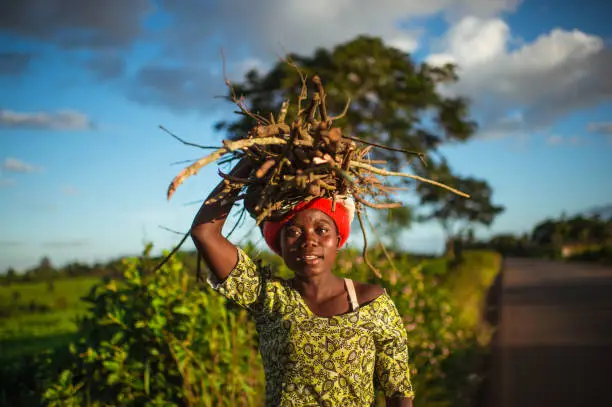
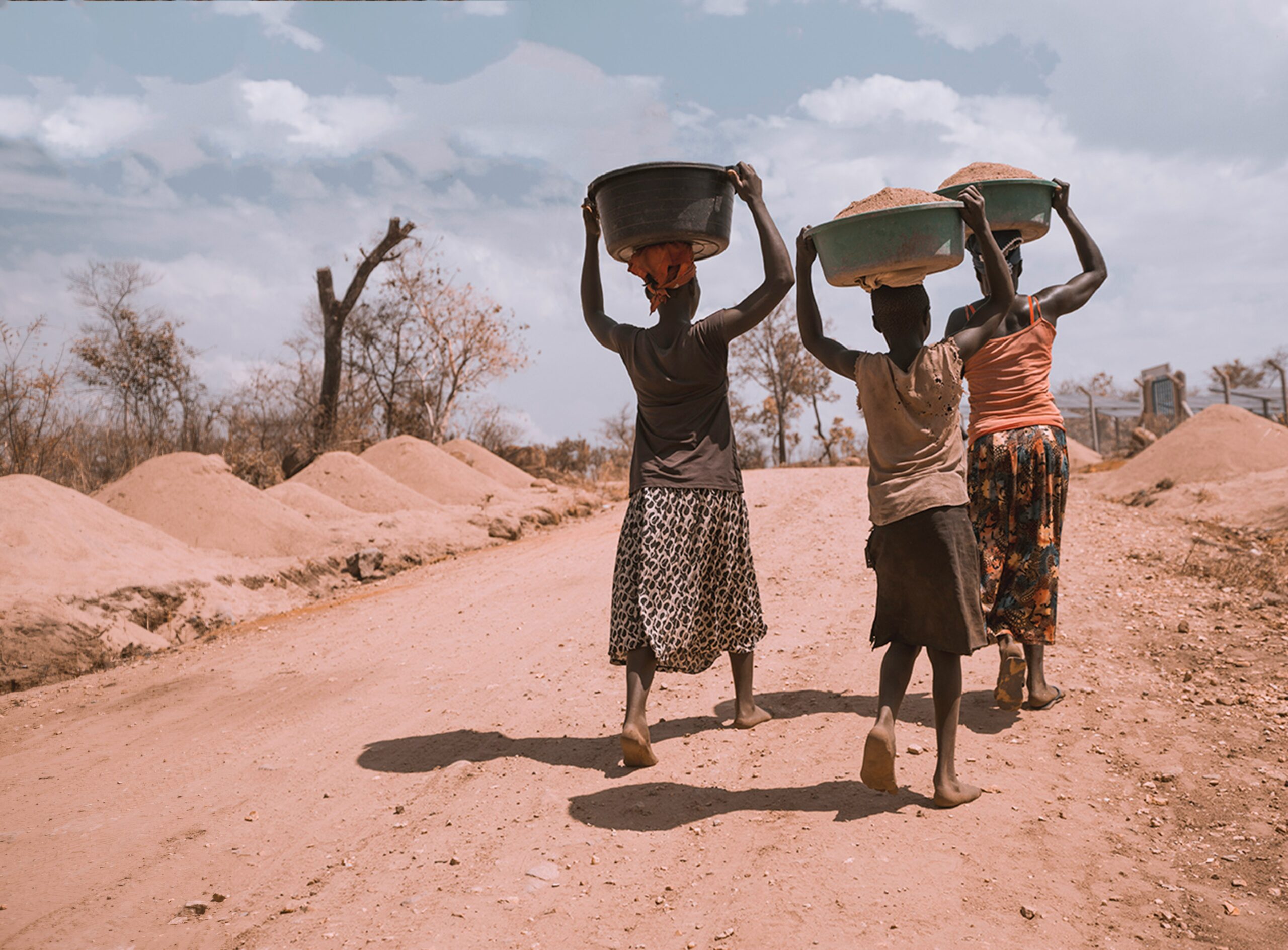
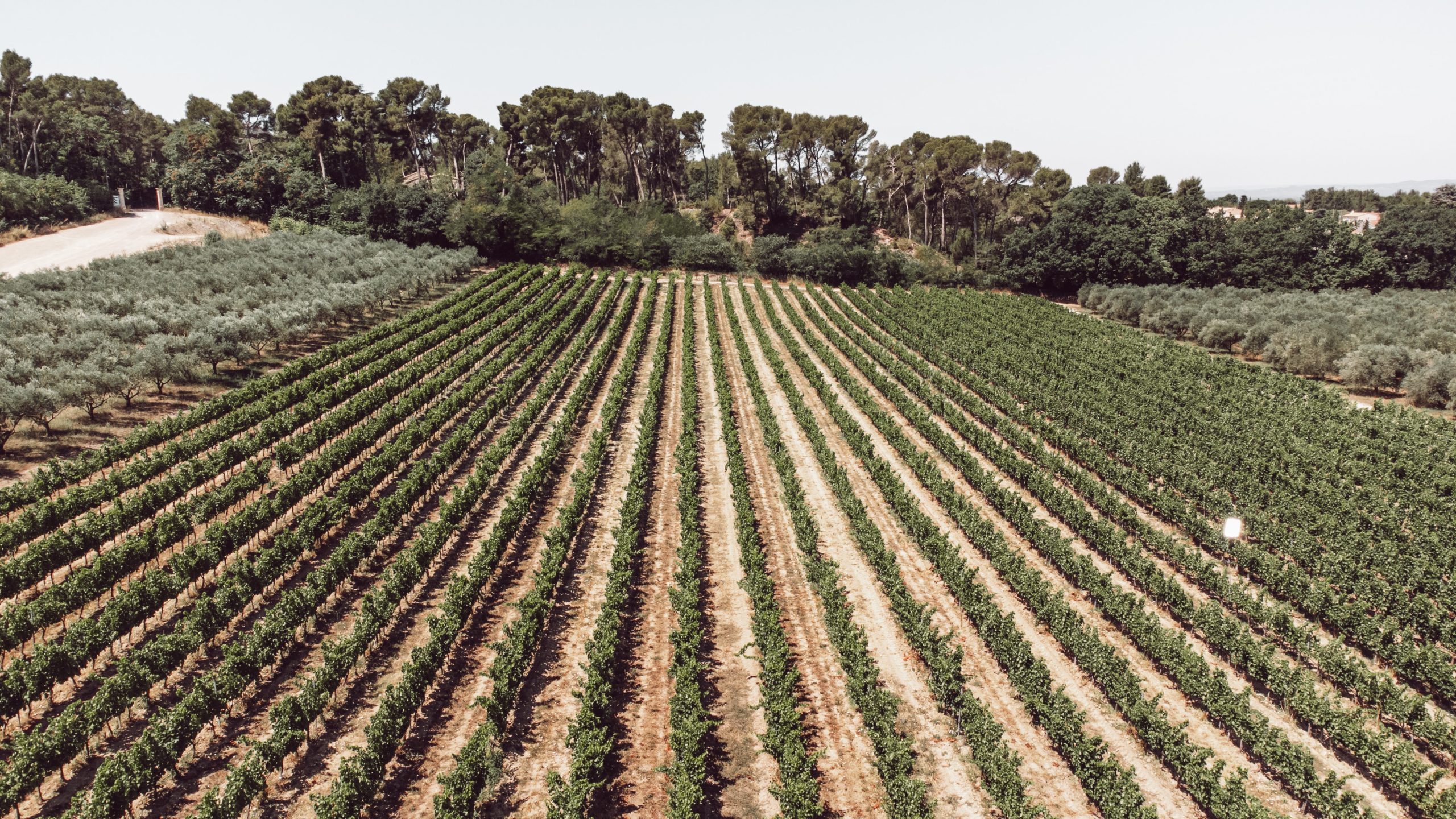
The farming and agricultural industry has historically been one of Zimbabwe’s most prominent economic sectors. The two main types of agriculture performed by Zimbabweans are animal husbandry and agricultural farming, which together account for 17% of the nation’s total gross domestic product (Gdp).
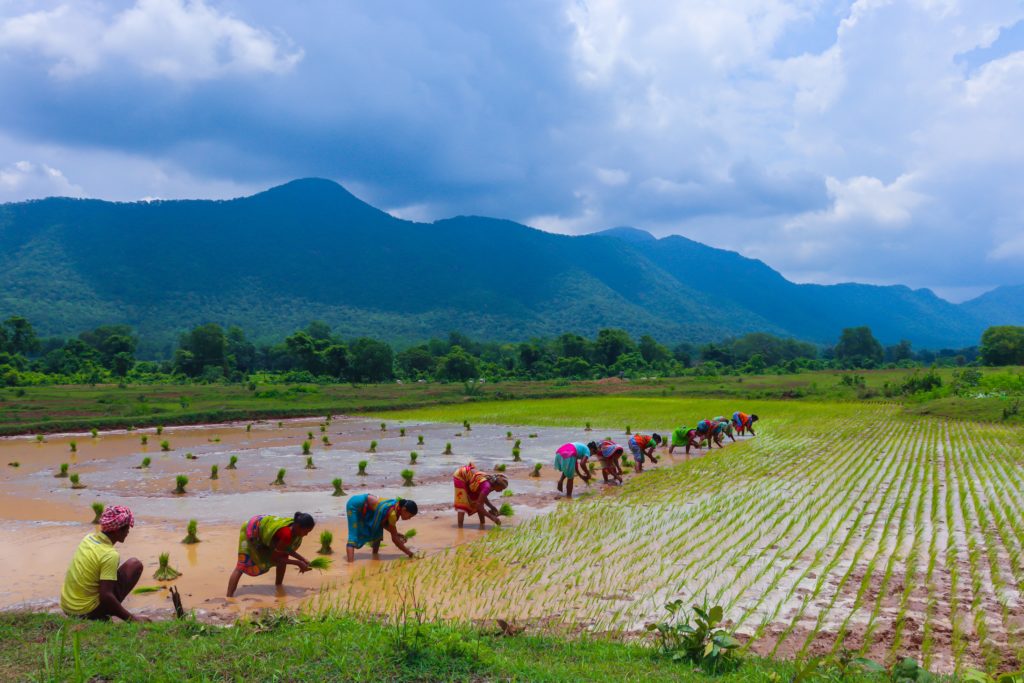
Today, Zimbabwe’s main industry for employment is agriculture. Because farming is a way of life in rural areas where the bulk of the population resides, this is the case.
A plot of acreage that may be used for your agricultural endeavors, money to run the business, laborers, and knowledge of the area in which you intend to cultivate crops are all necessary to starting a farm in Zimbabwe.
How to start farming in Zimbabwe step by step
There are numerous steps to farming, to start. Crop cultivation and livestock keeping, sometimes known as animal husbandry, are both activities. You must decide where in Zimbabwe you wish to concentrate your agricultural efforts.
Now let’s dive into the specifics of setting up a farm in Zimbabwe:
Step1: Get the money you need to get started
You will always need money to keep your firm afloat, no matter what kind of business it is. It could be utilized for a range of things, like stock purchases, payroll commitments, electricity upkeep, and so forth.
You’ll need money if you want to start a farm to buy land, agricultural inputs like seeds and farm machinery, and so on.
For an agricultural operation, grants, family assistance, personal savings, and bank loans are all possible sources of finance.
Your farming operation can start operating in Zimbabwe by using any of the aforementioned methods.
Step 2: Acquire farmland
The next phase of your agricultural business strategy in Zimbabwe is to start looking for land.
As was previously stated, the size of the farm and the location of the farms you wish to buy will depend on the type of farming you intend to do.
A plot of land as small as 2 acres can be adequate if you’re considering beginning a livestock farm.
You could need more than 2 acres to raise crops.
Note:
Your livestock farm’s location might require a distance from the houses in the area.
Consider buying farms far away from any potential natural predators for your livestock.
Step 3: Land preparation
The land needs to be prepared for farming. If the area is near a forest, you will need to clear the forest first.
After the deforestation process is through, the trash needs to be burned down and disposed of away.
Everyone concerned must have easy access to the land to prepare it for the production of crops or livestock.
You won’t perform subpar work there if you’re serious about using it as your main source of money.
Step 4: Look for information in the area you’ve selected
You must have a thorough understanding of the region you’ll be working in if you want to excel at farming.
Knowing what crops thrive in your region and whether you intend to grow annual or perennial crops are wise moves if you’re thinking about cultivating crops.
No matter whatever path you choose, you’ll need knowledge of the crops you want to grow.
A solid understanding of nutrition, common illnesses, and how to treat them is essential for livestock productivity.
Therefore, you must have all of this information at your disposal before starting any type of farming in Zimbabwe.
Step 5: It’s time to take action
After taking in the information above, it is time to begin your farming business.
Before you can start, you must first determine how many hands you’ll need and what additional supplies you’ll need to set up.
You may also find these articles helpful
Start an agriculture business in Hungary
Start an agriculture business in Iceland
Start a tourism business in Paraguay – full guide