Three-quarters of Tanzania’s workforce works in agriculture, which contributes over 30 percent of the nation’s GDP. Tanzania’s economy is unquestionably centered on agriculture, which has the advantages of a broad production base that includes livestock, staple food crops, and several income crops.
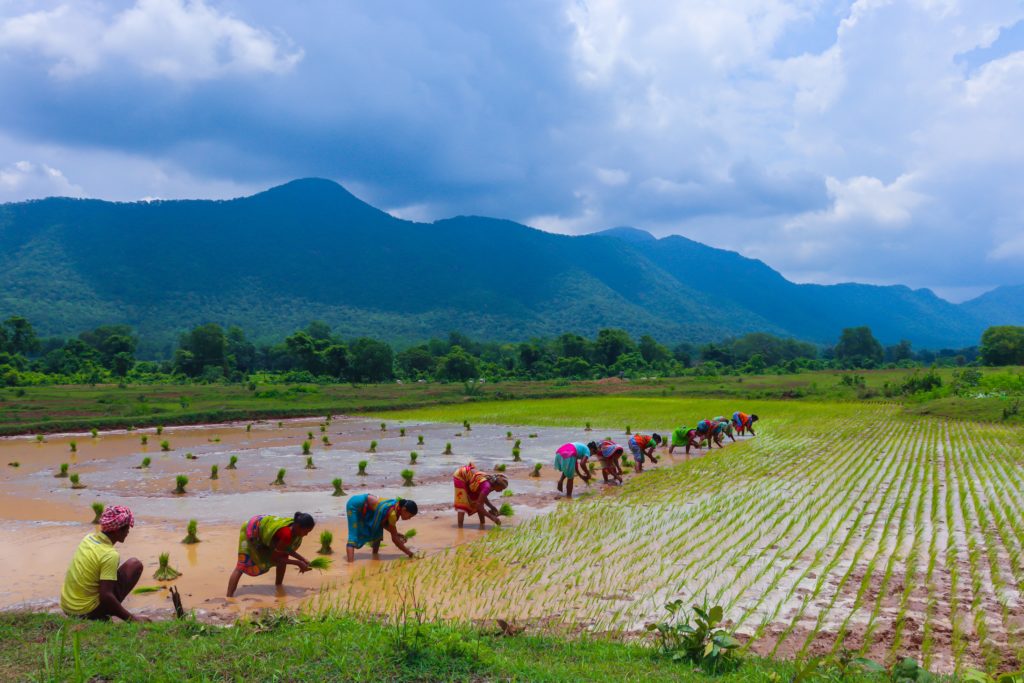
For both established and novel items, there are numerous economic opportunities in the national, regional, and international markets. Although there has been some development over the last 20 years, productivity is still poor. Smallholder farmers that rely on rainwater for irrigation predominate. Farmers and other sector stakeholders must overcome significant obstacles to modernize the sector and boost production, exports, and value-added processing. The sector has been impacted by declining export profits, difficulties acquiring land, and smallholder farmers who struggle to obtain commercially viable technologies, suitable storage facilities, markets, and loans.
Maize, wheat, rice, sweet potatoes, bananas, beans, sorghum, and sugar cane are the most widely grown food crops in Tanzania. Coffee, cotton, cashew nuts, tobacco, tea, and sisal are examples of cash crops. The farmer’s choice of crops is influenced by some variables, including:
- physical ones, like soil quality and water availability;
- economic ones, like marketability and seed prices;
- household preferences;
- crop profiles, like crop yield and pest resistance; and
- resource factors, like the availability of equipment and fertilizer.
Corn (maize)
The most extensively cultivated and eaten food crop in Tanzania is corn. It is famously used to prepare ugali, a stiff porridge that is a staple food in Tanzania and most other African nations. Due to bad weather, pests, and high input costs, maize production is predicted to decline by 4.7 percent to 6 million metric tons (MT) in 2021–2022. For the years 2021–2022, the Tanzania Meteorological Agency predicted rainfall below average. As farmers seek to find ways to irrigate their fields, this will probably result in lower yields. Early in 2021, locust swarms devastated the crop as they invaded Tanzania’s Kilimanjaro and Arusha areas. This has dimmed the outlook for maize output and made the area vulnerable to further infestations.
Due to COVID-19 interruptions, corn exports are expected to fall by 20% to 80 million MT in 2021/22. There have reportedly been lockdowns, curfews, and truck driver screenings in nearby nations over the past 12 months. With Tanzania’s top corn export destinations, this is thought to have raised customs delays and trade costs. Zambia, Malawi, Rwanda, Burundi, Kenya, and the Democratic Republic of the Congo are markets that are close by. The majority of imported corn is used to produce seeds, corn oil, yellow corn for animal feed, and other corn-based goods including breakfast cereal. The EU, South Africa, the US, and Ukraine are the countries from which Tanzania buys the most corn.
Wheat
More than 90% of Tanzania’s wheat production comes from large industrial farms in the Northern Highlands or small- to medium-sized family farms in the Southern Highlands. The majority of the country’s wheat is grown in the northern regions of Kilimanjaro, Arusha, and Manyara.
Wheat production is expected to fall 22.2 percent to 70,000 MT in 2021/22, owing primarily to high post-harvest losses, below-average rainfall, and desert locust incursions in Northern Tanzania.
Tanzania intends to increase domestic wheat output through market forces. In a meeting with wheat millers, merchants, and processors in January 2021, the minister of agriculture requested that they purchase 60% of their wheat from regional farmers at a premium price beginning in 2021/22. Under the proposal, only 40% of the total amount of wheat required will be allowed for import for local customers. The plan intends to reduce Tanzania’s reliance on imports by encouraging local farmers to grow more wheat. The majority of wheat is still imported, and there is currently little evidence that Tanzania will meet its goal of reducing imports.
Pasta, biscuits, breakfast cereals, mandazi, chapatis, cookies, stiff porridge (ugali), cakes, and doughnuts drive the Tanzanian wheat industry. Wheat is Tanzania’s fourth most popular food, following rice, cassava, and maize. Wheat flour, which is both an intermediate and a finished good, is the most commonly consumed form of wheat. Local businesses with mills and silos dominate the wheat milling sector in Dar es Salaam.
Rice
Tanzania is the largest producer of rice in East Africa. Tanzania has long regarded the rice sub-sector as a key priority for agricultural development because of its ability to increase rural people’s income and food security.
Tanzania has prioritized rice farming in recent years for both domestic consumption and export to nearby nations. The Ministry of Agriculture grants non-governmental organizations technical and training assistance to achieve these objectives. Additionally, it is developing irrigation systems for growing rice, and its 10-year National Rice Development Strategy Phase II promotes the effective use of fertilizers (NRDS-II). Between 2018 and 2030, the NRDS-II aims to increase the area under rice production from 1.1 to 2.2 million hectares, double on-farm rice yield from two to four tons per hectare, and decrease post-harvest loss from 30 to 10 percent.
You may also find these articles helpful
Company registration in Tanzania
Start an agricultural business in Comoros
Agricultural business in Chad