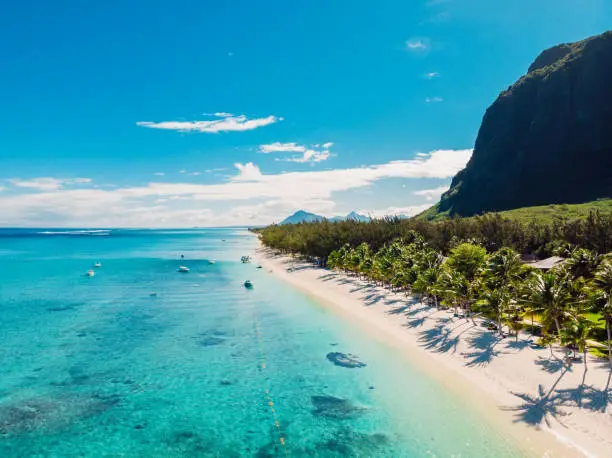
The Bahamas is a paradise for visitors, but it can be a challenge for business owners. Between licenses, permits, and finding the perfect beachside location, there’s a lot to tackle. But don’t worry—I’ve got you covered. This guide will take you through every step, from planning to serving your first plate of conch fritters. Let’s make your Bahamian restaurant dream a reality!
Understanding the Bahamian restaurant market
Just because The Bahamas is a tourist magnet doesn’t mean any restaurant will succeed. The competition is fierce, and the locals know their food. You need to decide what kind of restaurant you’re opening. Upscale seafood spot? Chill beach bar? Authentic Bahamian joint? Know your audience! Tourists might love fresh seafood and cocktails, but locals want the real deal—peas and rice, cracked conch, and stew fish. Oh, and don’t forget about cruise ship visitors. They want fast, delicious meals without missing their ship. Do your research and figure out who you’re cooking for before you even think about signing a lease.
Choosing the perfect location
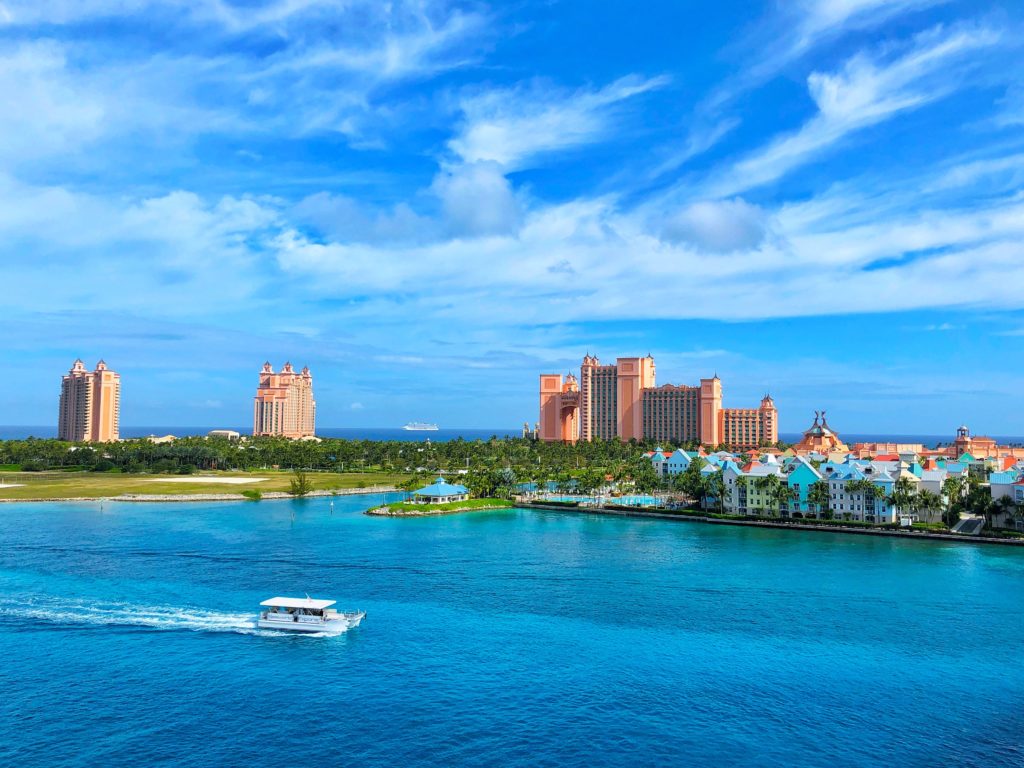
Tourists stick to Nassau, Paradise Island, and Freeport, so if you want steady foot traffic, aim for those areas. Want a quieter vibe? Exuma and Eleuthera are stunning, but you’ll rely more on locals. Beachfront spots are gold, but pricey. Downtown areas are more affordable, but parking is a nightmare. Also, think about hurricanes—because The Bahamas will test your patience with storms. Whatever you do, visit the area at different times of the day before making a decision. A street that looks perfect at noon might be a ghost town by dinner.
Navigating permits, licenses, and red tape
To open a restaurant in The Bahamas, you’ll need a business license, health certificate, work permits (if hiring foreigners), and food vendor permits. And yes, there’s a lot of paperwork. If you’re a non-Bahamian, you also need approval from the Bahamas Investment Authority—because they don’t just let anyone open a business here. The good news? Once you have everything in order, you’re set. The bad news? It can take weeks, even months, to get approvals. So start early, hire a local consultant if needed, and get ready to shake hands with a lot of government officials.
Finding suppliers and managing inventory
Build relationships with local fishermen, farmers, and suppliers. Fresh seafood? Get it straight from the dock. Fruits and veggies? Find local markets. You’ll still need to import some things (good luck finding affordable cheese and wine locally), but the more you source from The Bahamas, the better your costs—and your food—will be. Oh, and always have a backup plan. Shipping delays happen all the time.
Hiring staff: The backbone of your business
Good service can make or break your restaurant. Locals appreciate friendly, relaxed service, while tourists expect quick, professional hospitality. Finding skilled chefs, bartenders, and waitstaff takes time. The Bahamas has amazing hospitality workers, but competition is high. If you’re hiring non-Bahamians, prepare for work permit headaches. Train your team well and treat them right—because if they leave, it’s not easy to replace them. Bonus tip? Learn some Bahamian slang. Your team will respect you more if you know what “Bey, where da ting go?” means.
Creating a menu that wins hearts and stomachs
Tourists want fresh seafood, cocktails, and tropical flavors. Locals want hearty, traditional dishes. You need to balance both. Offer conch salad, cracked lobster, and grilled snapper—but also keep dishes like Bahamian mac and cheese and stew fish. Price your menu smartly. Tourists will splurge, but locals want fair prices. And whatever you do, don’t skimp on portions. Small portions in The Bahamas? Big mistake.
Marketing your restaurant like a pro
Instagram is your best friend. Tourists decide where to eat based on beautiful food pictures and beachfront views. Post daily. Engage with customers. Get influencers to visit. Also, TripAdvisor reviews matter. A bad review can hurt business fast, so keep customers happy. Offer local discounts, partner with hotels, and make sure your restaurant is always the place people are talking about.
Preparing for the unexpected
Think everything will go smoothly? Think again. Power outages, hurricanes, slow seasons, unexpected food shortages—The Bahamas keeps you on your toes. Always have a backup generator. Keep extra supplies. Save money for the slow months. And remember: Island time is real. Suppliers will be late. Contractors will take their time. The key? Stay calm, stay flexible, and learn to go with the flow.
Conclusion
Opening a restaurant in The Bahamas is an adventure. It’s challenging, unpredictable, and sometimes frustrating—but it’s also rewarding. Serve great food, respect the culture, and embrace island life. If you do it right, your restaurant won’t just survive—it’ll thrive. Now, go make those island dining dreams a reality!
You may also find these articles helpful
Start a commercial real estate business in Malta
Start an e-commerce business in El Salvador
Start a commercial real estate business in Moldova