Syria’s rich culinary heritage and diverse flavors make it an appealing destination for restaurateurs interested in Middle Eastern cuisine. Despite the challenges posed by economic and political conditions, opening a restaurant in Syria is possible with proper planning, local knowledge, and compliance with regulations. This guide provides a practical roadmap for aspiring restaurant owners.
Conduct market research
Before launching your restaurant, it’s essential to understand the local market. Study customer preferences, popular cuisines, and dining habits in your target area. Observe competitors’ menus, pricing strategies, and service standards. This research will help you identify gaps in the market and develop a concept that resonates with locals and visitors.
Develop a solid business plan
A comprehensive business plan outlines your restaurant concept, target audience, menu, pricing strategy, staffing, and marketing approach. Include financial projections, such as startup costs, operational expenses, and expected revenue. A solid plan helps secure funding, whether through personal investment, local banks, or partnerships, and provides a structured approach to managing your business.
Choose the right location
Location is a critical factor in attracting customers. Busy urban areas, market districts, or locations near tourist attractions generally offer higher foot traffic. Evaluate rent costs, accessibility, and the presence of competitors in the area. Even smaller or off-center locations can succeed if your restaurant concept is unique and effectively marketed.
Register your business
All restaurants in Syria must be registered with local authorities. Select an appropriate business structure, such as a limited liability company, partnership, or sole proprietorship. Foreign investors may need to comply with additional regulations and approvals, so consulting with a local business lawyer can simplify the process. Registering your business legally ensures credibility and reduces potential legal complications.
Obtain necessary licenses and permits
Operating a restaurant in Syria requires several permits to comply with health and safety regulations:
- Food service license from the local municipality for hygiene and safety standards.
- If you intend to serve alcoholic beverages, obtain a liquor license.
- Fire safety approval from the local fire authority.
- Signage permit if you intend to display external signage.
Obtaining the proper licenses is crucial for avoiding fines, closures, or operational disruptions.
Design and fit-out your restaurant
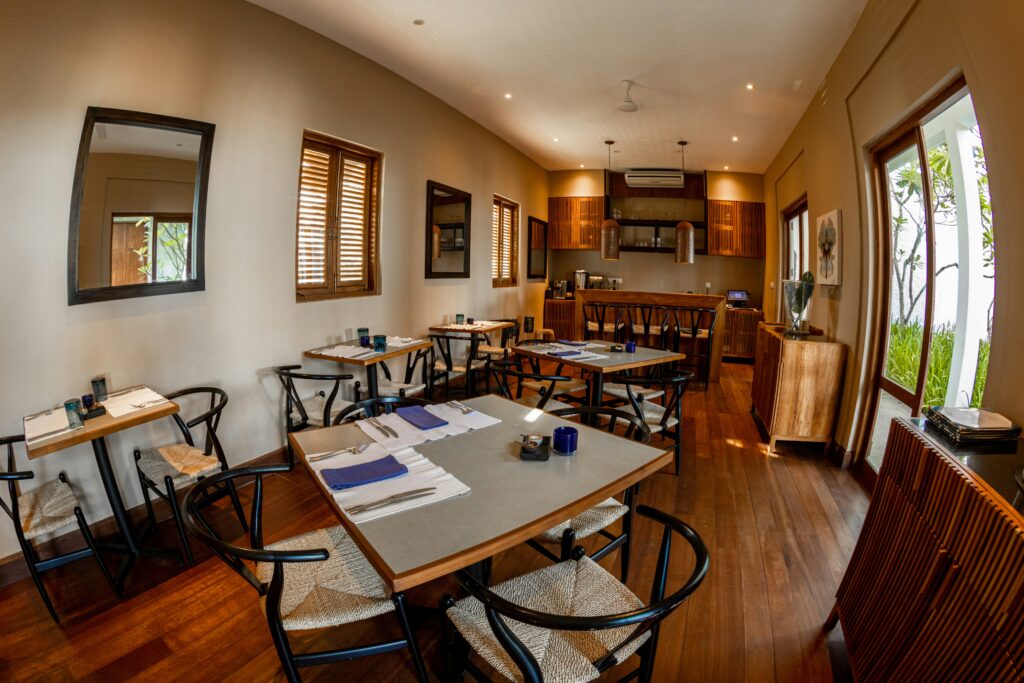
Your restaurant’s interior design and layout play an important role in attracting customers. Focus on seating arrangements, lighting, décor, and overall ambiance to reflect your brand and cuisine. Work with licensed contractors to ensure your kitchen meets health and safety standards. A comfortable, visually appealing space encourages repeat visits.
Source suppliers and equipment
Reliable suppliers are essential for consistent quality. Source fresh local ingredients whenever possible, or import specialty products for your menu. Invest in durable kitchen equipment to prevent operational interruptions. Building strong relationships with suppliers ensures timely deliveries and product consistency.
Hire and train staff
Your team impacts customer satisfaction and operational efficiency. Hire experienced chefs, servers, and support staff, and provide training on hygiene, service standards, and operational procedures. Offering competitive wages, clear responsibilities, and opportunities for advancement helps retain staff and maintain service quality.
Implement marketing strategies
Marketing is key to attracting and retaining customers. Leverage social media platforms, local food apps, and word-of-mouth referrals. Consider promotions, special events, or collaborations with influencers to create buzz around your restaurant. A strong brand presence helps build customer loyalty and increases visibility in the local market.
Manage operations and compliance
Efficient daily operations include inventory management, financial tracking, staff scheduling, and hygiene monitoring. Regularly review customer feedback and implement improvements where needed. Ensuring compliance with local regulations while delivering quality food and service is essential for long-term success.
You may also find these articles helpful
Guide on opening a restaurant in Anguilla – full guide
Guide on opening a restaurant in the Maldives – full guide
Guide on opening a restaurant in Bangladesh – full guide