Saudi Arabia has a growing dining culture, rising disposable income, and a business environment that increasingly welcomes both local and foreign investors. The country’s Vision 2030 initiative has opened new doors for hospitality, food service, and tourism, making this a promising time for entrepreneurs ready to explore the market. This full guide walks you through every important step, from planning your concept to meeting legal requirements and launching your business.

Understanding the food market in Saudi Arabia
The first step is researching the market. Saudi Arabia’s dining landscape is dynamic, with strong demand for both international and local cuisines. Trends differ across major cities, so explore consumer preferences in areas like Riyadh, Jeddah, Dammam, and Medina. Consider factors such as dietary habits, popular dining styles, and competition in each region. Understanding these elements will guide your concept, pricing, and location decisions.
Choosing your restaurant concept
Your restaurant concept shapes your brand identity, customer experience, and operational setup. Decide whether you want to build a quick service restaurant, bakery, cafe, casual dining spot, or fine dining establishment. The local culture also plays a role in shaping your concept. Many customers appreciate family focused spaces, modern interiors, or experiential dining settings. Create a clear menu plan and estimate costs to understand your revenue potential and required investment.
Selecting a business structure
Foreign and local entrepreneurs can choose from several business structures. Options include forming a limited liability company, partnering with a Saudi national, or setting up a fully foreign owned business with approval from the Ministry of Investment. Each structure has different requirements for capital, ownership, and responsibilities. Choosing the right one ensures smooth setup and compliance with Saudi business laws.
Required licenses and approvals
Restaurant owners must secure a series of licenses from government authorities before opening their doors. Foreign investors begin by applying for an investment license with the Ministry of Investment. After that, you must register your business with the Ministry of Commerce and obtain a commercial registration. Restaurant premises require municipality approval, which includes inspections on layout, hygiene standards, waste management, and ventilation. You must also secure health permits, staff health certificates, food safety certification, and fire safety clearance from the Civil Defense.
Finding a suitable location
A strategic location can make or break your restaurant. Look for areas with strong foot traffic, good visibility, and easy access for customers. Malls, commercial districts, and busy residential zones are popular choices. Ensure the building allows food service operations and meets ventilation, plumbing, spacing, and waste disposal requirements set by your local municipality. A signed lease agreement is also needed for many permit applications.
Setting up the interior and kitchen
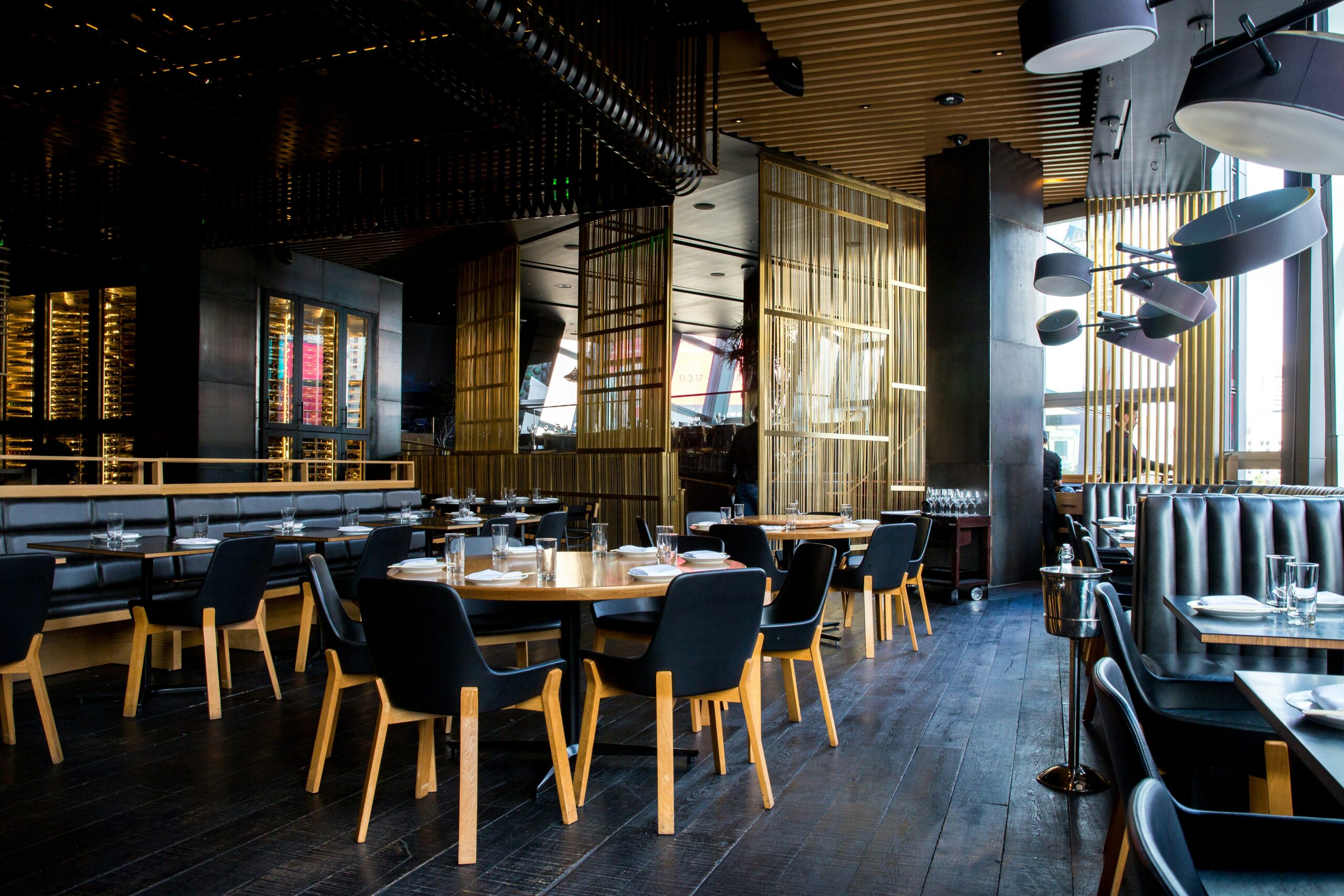
Restaurant interiors in Saudi Arabia often include both single and family dining sections depending on your concept. Design your space so it flows well for customers and staff, while meeting health and safety standards. Install commercial grade kitchen equipment, create proper storage areas, and ensure your layout supports food safety compliance. Pay attention to ventilation and fire prevention measures to pass inspections smoothly.
Hiring and managing your staff
Saudi Arabia’s labor laws emphasize Saudization, which requires businesses to employ a certain percentage of Saudi nationals. You may also hire foreign staff, but you must issue valid employment contracts, provide suitable working conditions, and comply with visa and payroll regulations. Invest in staff training covering customer service, hygiene practices, kitchen safety, and operational procedures.
Business operations and accounting
Restaurants must register with the Zakat, Tax and Customs Authority. Depending on your revenue, VAT registration may also be necessary. Accurate bookkeeping is essential for compliance and smooth operations. Many restaurant owners hire professional accountants or use reliable accounting software to manage expenses, payroll, VAT reports, and profit tracking.
Building your supplier network
A strong supply chain is vital to maintaining consistent food quality. Connect with trusted suppliers of fresh produce, meat, beverages, kitchen equipment, and packaging materials. Compare prices, delivery timelines, and compliance with food safety standards. Establish backup suppliers to avoid disruptions.
Marketing and brand promotion
Marketing is crucial for attracting customers, especially in competitive areas. Use social media platforms such as Instagram, TikTok, Snapchat, and X to showcase your menu, ambience, and offers. Partner with food influencers to boost visibility. Collaborate with delivery apps like Jahez, HungerStation, and Talabat to expand reach. Launch promotions, giveaways, and opening deals to draw in early customers and build momentum.
Preparing for the grand opening
Before officially opening, conduct a soft launch to test menu items, service speed, and customer experience. Gather feedback and make adjustments to improve your operations. Once everything flows smoothly, plan your grand opening with special offers or events to create attention and attract foot traffic.
Maintaining quality and compliance
Running a successful restaurant requires long term commitment to food safety, service quality, and customer satisfaction. Renew licenses regularly, stay up to date with inspections, and monitor staff performance. Encourage customer feedback and consistently improve your operations to remain competitive.
You may also find these articles helpful
Guide on opening a restaurant in Azerbaijan – full guide
Guide on opening a restaurant in Aruba – full guide
Guide on opening a restaurant in Bhutan – full guide