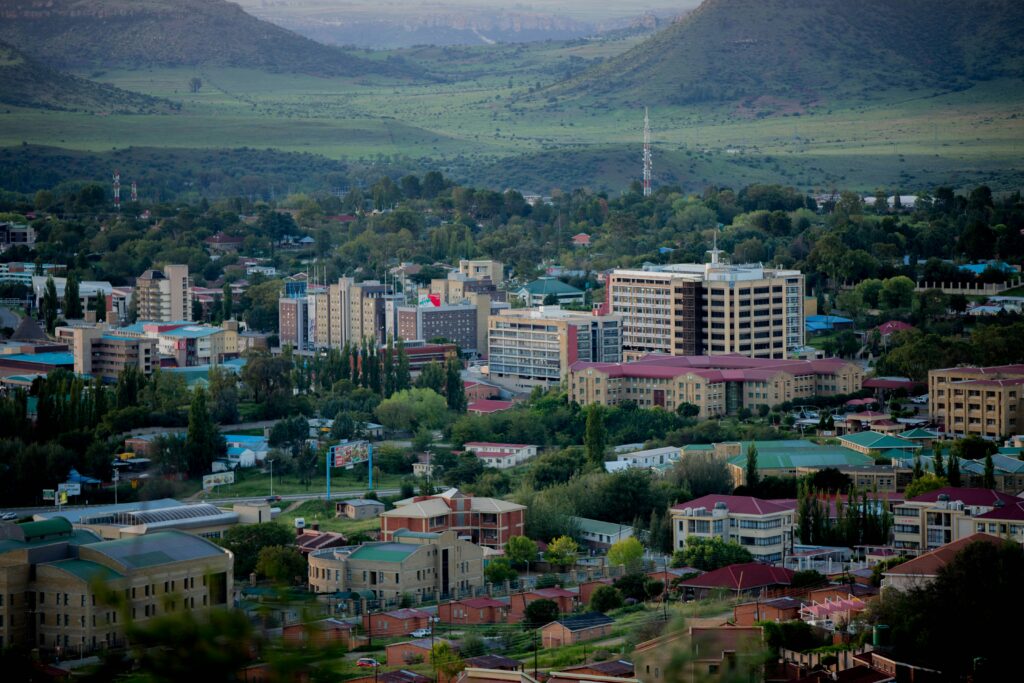
Lesotho, because of its cultural and geographical unique features, has a competitive edge. It provides a unique combination of encounter with indigenous cultures, unspoiled environment, and high-altitude adventure. Hiking, horseback riding, mountain biking, bird viewing, wintertime snow sports, and immersive cultural village stays are among the country’s top tourism attractions. Despite the low number of foreign visitors, there is a lot of room for development, particularly as long as the nation keeps making investments in its infrastructure for tourists. Do market research to find gaps and possibilities before launching your company. Find out what experiences your target customers—whether they are domestic, regional, or foreign travelers—are looking for.
Picking a tourism specialty
Because Lesotho’s tourist sector is so large, choosing a distinct specialty is essential. Among the industries with the most promise are:
- Adventure tourism, including rock climbing, hiking, and abseiling
- Cultural tourism, including excursions to traditional homesteads and communities in Basotho.
- Nature-based and ecotourism excursions
- Winter travel to destinations like Afriski Horseback and Pony Trekking Tours
- Travel consultancy or tour agency services
- Shuttle and transportation services for visitors
- Boutique hotels, guesthouses, or eco-lodges
Pick a niche that fits your interests, your financial constraints, and the needs of the market. Another option is to combine two or more services to create a more complete offering.
Getting your company listed
The Ministry of Trade and Industry’s One Stop Business Facilitation Center (OBFC) requires registration for all Lesotho firms. You are going to have to:
- Choose and register a company name.
- Obtain a trader’s license.
- Get a tax identification number (TIN) from Lesotho Revenue Authority.
- Get an investment certificate from the LNDC if you are a foreign investor.
Furthermore, you must get permission from the Lesotho Tourism Development Corporation (LTDC) if you work in the lodging industry. This may include a site inspection.
Getting licensed and compliant
Depending on the nature of business, it may require a number of other licenses and permits. For instance, tour operators comply with the tourism regulations as well as registration with the LTDC. Accommodation providers are subject to environmental laws and health and safety regulations, among which may require inspection by the Ministry of Health. And if you offer transportation service, don’t forget to license your vehicles. Also, employ drivers or guides with appropriate training whenever it is required. Compliance generates confidence and is essential for longevity.
Hiring and training employees
Professional people may enhance the quality of your company. Depending on the size of your business, you may require tour guides, drivers, cooks, housekeepers, and customer service representatives. The services you provide can be much improved as you orient your staff with training in hospitality, local historical causes, safety precautions, and foreign languages (especially English, also French or German). Also, just make it more authentic and opening up job opportunities for them, really considering local communities.
Setting up a rock-solid online presence and branding
Create a compelling brand which encompasses your beliefs and services through your name, logo, and tagline in business. Create your products, very good images, endorsements by customers, and easy ways for them to contact you. Use social media sites such as YouTube, Facebook, and Instagram for marketing the natural beauty of the country to attract tourists. Then, you can start putting your services on sites like Booking.com, TripAdvisor, and Airbnb (for accommodation). Blogs and travel videos are examples of content production that may help you establish yourself as an authority on Lesotho tourism and increase your internet presence.
Creating Remarkable experiences for customers
In tourism, satisfied customers make the finest marketing. Offer distinctive and genuine experiences, guarantee comfort and safety, and deliver first-rate service. Take any critique in good stead and try to work on it. More often than not, travelers would use such reviews to dictate their decision-making. A good reputation means repeat business and word-of-mouth referrals.
Provided varied and very well-structured packages catering to a variety of interest levels and price ranges. Your products may be distinguished by including cultural components, such traditional Basotho cuisine or craft-making classes.
Tax and financial management
Maintain thorough financial records and open a company bank account. To be sure you are in conformity with Lesotho’s tax regulations; speak with a local accountant or financial counselor. Businesses may be liable to corporate income tax and VAT depending on their size and type, and the Lesotho Revenue Authority demands frequent tax filings. Maintaining your sustainability and making expansion plans are made easier with sound financial planning and budgeting.
Sustainability and interaction with the community
Lesotho tourism enterprises have a fantastic potential to encourage sustainability. Sustainable practices include supporting regional producers and artists; eco-friendly practices such as buying them, and participating in community-based tourism initiatives. Sustainable tourism not only acts as a facilitator for environment conservation but also supports goodwill and grabs the attention of clients who are sensitive to social issues.
You may also find these articles helpful
Start a tourism business in Peru – full guide
Start a tourism business in Uruguay – full guide
Guide on opening a restaurant in Grenada